The scale just stopped moving. I totally get how frustrating that is – I remember standing on my bathroom scale for what felt like the hundredth time, wondering if it was broken because the number hadn’t budged in three weeks.
Let me tell you something that might make you feel better: hitting a fasting weight loss plateau is completely normal and happens to pretty much everyone. When I hit my first plateau after losing 15 pounds, I thought I was doing something wrong. Turns out, my body was just being… well, a body.

First Things First – You’re Not Failing
Before we dive into why plateaus happen and how to break them, I need you to hear this: a weight loss plateau doesn’t mean you’re failing or that fasting isn’t working anymore. It just means your body has gotten really good at what you’re doing, and now it needs a little shake-up.
My friend Sarah put it perfectly: “I thought hitting a plateau meant I was lazy or wasn’t trying hard enough. But my doctor explained that plateaus are actually proof that my body is adapting and getting healthier.”
What Actually IS a Fasting Weight Loss Plateau?
A plateau is when your weight stays the same for 2-4 weeks straight, even though you’re still following your fasting routine and eating habits. It’s like your body just decides to park itself at a certain weight and refuses to budge.
My plateau story: After losing 18 pounds in my first three months of 16:8 fasting, I got stuck at the same weight for six weeks. Six weeks! I was doing everything the same – fasting 16 hours, eating healthy during my window, drinking plenty of water. But the scale just wouldn’t move.
Tom’s experience: My neighbor Tom hit a plateau after losing 25 pounds. “I was so frustrated I almost quit,” he told me. “But then I learned that plateaus are just part of the journey, not the end of it.”
Why Your Fasting Weight Loss Plateau Happens
Let me break down the main reasons your progress might have stalled. Understanding these helped me feel way less frustrated and more motivated to make some changes.
Reason #1: Your Metabolism Slowed Down (Metabolic Adaptation)
This is the big one. As you lose weight, your body needs fewer calories to function. It’s like when you downsize from a big house to a smaller apartment – you don’t need as much electricity to heat and cool it.
What happens in your body:
- Your resting metabolic rate decreases
- Your body burns fewer calories even when you’re just sitting around
- The same eating pattern that helped you lose weight before now just maintains your current weight
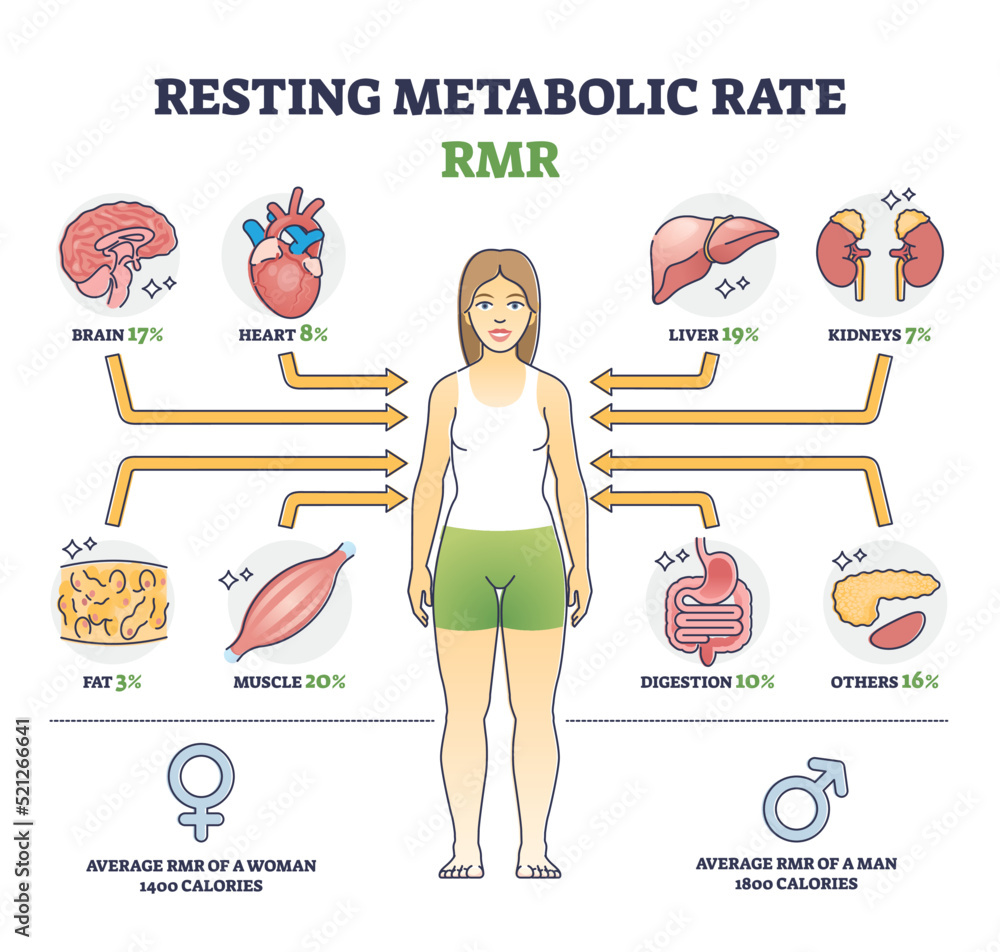
My example: When I started fasting, I was burning about 1,800 calories per day just from basic body functions. After losing 20 pounds, that dropped to about 1,650 calories. So even though I was eating the same amount, I wasn’t creating as big of a calorie deficit anymore.
Lisa’s discovery: My coworker Lisa couldn’t figure out why she stopped losing weight until her trainer explained metabolic adaptation. “I was eating the same 1,400 calories that helped me lose the first 15 pounds, but my smaller body only needed 1,350 calories to maintain. I was basically eating at maintenance without realizing it.”
Reason #2: Your Body Composition Changed
Here’s something cool that happens during weight loss – you don’t just lose fat, you also lose some muscle. But muscle burns more calories than fat, so losing muscle actually makes it harder to keep losing weight.
Plus, you might actually be gaining muscle:
- If you started exercising more while fasting
- If you’re eating more protein than before
- Muscle weighs more than fat, so the scale might not move even though you’re getting healthier
Carlos’s story: My friend Carlos got super frustrated when his weight stayed the same for a month. But when he measured himself, he’d lost 2 inches around his waist and gained muscle in his arms. “The scale lied to me,” he said. “My body was actually changing a lot.”
Reason #3: You’re Not Sticking to Your Plan as Much (Diet Adherence)
This one’s a bit uncomfortable to talk about, but it’s super common. As you get comfortable with fasting, you might start getting a little looser with your eating window or food choices without even realizing it.
Common ways this happens:
- Your eating window gradually gets longer
- You start snacking more during your eating time
- You’re eating more calories overall than when you started
- Weekend eating gets out of control
My honest confession: After about four months of fasting, I realized my “8-hour eating window” had slowly stretched to about 10 hours. I wasn’t doing it on purpose – I’d have a snack here, start eating a little earlier there. Small changes, but they added up.
Sarah’s wake-up call: My friend Sarah was convinced she was following her 18:6 plan perfectly until she started actually tracking her eating times. “I was shocked to discover I was more like 16:8 on most days, and sometimes even 14:10 on weekends.”
Reason #4: Your Body Has a “Memory” of Your Previous Weight
This one’s really interesting. Some experts think your body has “set points” – weights where it likes to hang out. If you spent a long time at a certain weight before, your body might want to pause there on the way down.
Jenny’s plateau pattern: My friend Jenny noticed she kept getting stuck at weights where she’d plateaued before when gaining weight. “It was like my body remembered being 165 pounds and wanted to stay there for a while,” she said.
Reason #5: Stress and Sleep Issues
Life happens, right? Stress and poor sleep can mess with hormones that control hunger and weight loss. High stress can actually make your body hold onto weight.
Mike’s stressful plateau: My brother Mike hit a plateau right when he was dealing with a stressful work project and wasn’t sleeping well. “Looking back, it makes total sense,” he said. “My body was in survival mode.”
How to Break Through Your Fasting Weight Loss Plateau
Alright, now for the good stuff – what actually works to get things moving again. I’ve tried most of these strategies myself, and I’ve seen them work for tons of people I know.
Strategy #1: Shake Up Your Fasting Schedule
If you’ve been doing the same fasting pattern for months, your body might need a change. It’s like switching up your workout routine to keep your muscles guessing.
Ways to mix it up:
- Try alternate day fasting once or twice a week
- Do a longer fast (24 hours) once a week
- Switch your eating window (if you eat 12-8, try 11-7)
- Take a planned break from fasting for a few days
My schedule shake-up: When I hit my plateau, I switched from 16:8 every day to doing 18:6 five days a week and eating normally on weekends. Within two weeks, I started losing again.
Tom’s approach: My neighbor Tom was stuck doing 16:8, so he tried doing one 24-hour fast per week. “It was like hitting a reset button,” he said. “My body remembered it was supposed to be losing weight.”
Strategy #2: Change What You Eat (Not Just When)
Sometimes the problem isn’t your fasting schedule – it’s what you’re eating during your eating window. Your body might need different nutrients to keep burning fat effectively.

Foods that can help break plateaus:
- More protein (helps preserve muscle and boosts metabolism)
- More fiber (keeps you full and helps with digestion)
- Healthy fats (keeps hormones balanced)
- Less processed foods (even during eating windows)
My food changes: I realized I’d gotten into a rut of eating the same things every day. When I added more variety – different proteins, more vegetables, trying new healthy recipes – my weight loss picked back up.
Lisa’s protein power: My coworker Lisa increased her protein from about 60 grams per day to 100 grams per day. “I wasn’t even trying to lose more weight,” she said. “I just wanted to feel stronger. But I ended up breaking through my plateau too.”
Strategy #3: Add or Change Your Exercise
Exercise can help break plateaus by boosting your metabolism and changing your body composition. If you haven’t been exercising, starting can help. If you have been, changing it up might be the key.

Exercise strategies that work:
- Add strength training (builds muscle that burns calories)
- Change your cardio routine (if you walk, try cycling)
- Increase intensity (go faster or harder)
- Exercise during your fasting window (can boost fat burning)
Carlos’s strength training success: My friend Carlos had been doing just cardio. When he added weight lifting twice a week, he broke through a six-week plateau in just two weeks. “I actually started eating more food, but I kept losing weight because muscle burns so many calories,” he said.
My exercise shuffle: I’d been walking for cardio every day. When I switched to alternating between walking and bike riding, plus added some bodyweight exercises, my plateau broke within a week.
Strategy #4: Track Everything More Carefully
Sometimes we think we’re doing everything right, but we’re not tracking as closely as we think. Going back to basics with tracking can reveal what’s really happening.
What to track:
- Exact eating window times
- Everything you eat and drink
- Your weight daily (to see patterns)
- How you feel and sleep quality
Sarah’s tracking revelation: My friend Sarah thought she was eating about 1,500 calories during her eating window. When she actually tracked everything for a week, she was eating closer to 1,800. “I was shocked by how much those little tastes and bites added up.”
Strategy #5: Take a Strategic Break
This might sound crazy, but sometimes taking a planned break from fasting can actually help you start losing again. It’s called a “diet break” and it can reset your metabolism.
How to do a strategic break:
- Eat normally (but still healthy) for 1-2 weeks
- Don’t go crazy, but don’t restrict your eating times
- Focus on getting good nutrition and managing stress
- Then go back to your fasting routine
My break breakthrough: After being stuck for a month, I took a week off from fasting. I was nervous I’d gain weight, but I actually maintained. When I went back to 16:8 the next week, I immediately started losing again.
Strategy #6: Focus on Non-Scale Victories
Sometimes you’re making progress, but the scale isn’t showing it. Focusing on other improvements can help you stay motivated and might reveal that you’re not really plateaued at all.
Things to measure besides weight:
- How your clothes fit
- Body measurements (waist, hips, arms)
- Energy levels throughout the day
- Sleep quality
- Mood and mental clarity
Jenny’s measurement surprise: My friend Jenny was frustrated that her weight hadn’t changed in a month. But when she measured her waist, she’d lost 3 inches! “The scale was lying to me,” she said. “My body was definitely changing.”
Real Success Stories from Breaking Plateaus
Let me share some stories from people I know who successfully broke through their fasting weight loss plateaus:
Mike (Broke plateau with meal timing):
“I was stuck at the same weight for two months doing 16:8. I switched to eating one big meal at 2 PM and a smaller meal at 6 PM instead of snacking throughout my 8-hour window. Started losing again within a week.”
Lisa (Broke plateau with exercise):
“After losing 20 pounds with just fasting, I hit a wall. I added strength training three times a week, and even though I was eating more protein, I started losing again. Plus I felt so much stronger.”
Sarah (Broke plateau with schedule changes):
“I’d been doing 16:8 every single day for six months. When I switched to 18:6 on weekdays and normal eating on weekends, my plateau broke. I think my body needed the variety.”
Tom (Broke plateau with a diet break):
“I was so frustrated after being stuck for six weeks. My friend convinced me to take a two-week break from fasting. I was scared I’d gain weight, but I didn’t. When I went back to fasting, I immediately started losing again.”
Carlos (Broke plateau with food changes):
“I realized I was eating the same five meals over and over. When I started trying new healthy recipes and eating more variety, especially more vegetables, my weight started moving again.”
When Plateaus Are Actually Normal (Don’t Panic!)
Here’s something important to know – some plateaus are completely normal and don’t need fixing. Your body might just need time to adjust to your new weight.
Normal plateau situations:
- You’ve lost a significant amount of weight (20+ pounds)
- You’re getting close to a healthy weight for your height
- You’ve been at the same weight where you plateaued before
- It’s only been 2-3 weeks (might not even be a real plateau yet)
When NOT to worry:
- Your clothes are still getting looser
- You’re feeling more energetic
- Your eating and fasting habits are consistent
- You’re sleeping well and managing stress

My “fake plateau”: I once thought I was plateaued for three weeks, but then I realized I’d been weighing myself at different times of day and after different types of meals. When I went back to weighing myself at the same time every morning, I saw I was still slowly losing.
The Mental Game of Plateau Breaking
Let’s be honest – plateaus are mentally tough. Here’s how to stay motivated when the scale isn’t moving:
Keep perspective: Remember how far you’ve come. I keep a photo from before I started fasting on my phone to remind myself of my progress.
Focus on habits, not just results: If you’re sticking to your fasting schedule and eating well, you’re succeeding even if the scale doesn’t show it.
Trust the process: Weight loss isn’t linear. Sometimes your body needs time to catch up to all the good changes you’re making.
Celebrate non-scale victories: Better sleep, more energy, clothes fitting better – these all count as wins!
Common Plateau-Breaking Mistakes to Avoid
I’ve made most of these mistakes myself, so let me save you the trouble:
Mistake #1: Cutting calories too drastically (can slow metabolism even more)
Mistake #2: Adding too many changes at once (makes it hard to know what’s working)
Mistake #3: Giving up after just one week of trying something new
Mistake #4: Only focusing on the scale and ignoring other progress
Mistake #5: Getting stressed about the plateau (stress can actually make it worse)
Building Your Plateau-Breaking Plan
Here’s how to approach breaking your fasting weight loss plateau systematically:
Week 1: Pick ONE strategy to try (maybe changing your fasting schedule)
Week 2: If that doesn’t work, try a different approach (maybe add exercise)
Week 3: Consider combining strategies (new eating window + more protein)
Week 4: If nothing’s working, consider a strategic break
Throughout: Track everything carefully and focus on how you feel, not just the scale
When to Get Professional Help
Sometimes plateaus happen because of underlying health issues. Consider talking to a doctor if:
- You’ve tried multiple strategies for 2+ months with no progress
- You’re experiencing other symptoms (extreme fatigue, hair loss, etc.)
- You have medical conditions that affect metabolism
- You’re taking medications that might interfere with weight loss
My doctor visit: When I hit a stubborn plateau, my doctor checked my thyroid and found it was slightly underactive. Once we addressed that, breaking the plateau became much easier.
The Bottom Line on Fasting Weight Loss Plateaus
Here’s what I want you to remember: plateaus are not failures – they’re just part of the journey. Your body is smart and adapts to what you’re doing. Sometimes you need to get a little creative to keep making progress.
My top 5 plateau-breaking strategies:
- Change your fasting schedule (try different timing or patterns)
- Increase protein and add more variety to your food
- Add or change your exercise routine
- Track everything more carefully for a week
- Consider a strategic 1-2 week break from fasting
Most importantly: Don’t give up! I’ve seen so many people quit right when they hit a plateau, not realizing they were probably just weeks away from breaking through.
Final advice: Be patient with yourself and remember that sustainable weight loss isn’t a straight line. Sometimes your body needs time to reset and adjust to your new weight before it’s ready to lose more.
The plateau you’re experiencing right now? It’s temporary. With the right strategy and a little patience, you’ll get through it and continue making progress toward your goals.
Keep going – you’ve got this! 💪
