Hey there! So you’ve started fasting and now your head feels like someone’s using it as a drum? I totally feel your pain – literally! When I first started intermittent fasting about two years ago, I remember getting these horrible headaches around day three that made me want to quit altogether.
But here’s the good news: fasting headaches are super common, and once you understand why they happen, they’re actually pretty easy to prevent and fix. Let me walk you through everything I’ve learned about dealing with these pesky headaches.

First Things First – You’re Not Alone
Before we dive into the solutions, let me tell you something that made me feel so much better when I was starting out. Getting headaches during fasting is totally normal! Studies show that a bunch of people experience headaches when they start fasting, especially in the first week or two.
My friend Sarah put it perfectly: “I thought I was doing something terribly wrong when I got those headaches. Turns out my body was just adjusting to a new way of eating.”
The Main Reasons You Get Fasting Headaches
Let me break down the most common reasons why your head starts pounding when you fast:
Reason #1: Dehydration (The Big Culprit)
This is probably the biggest reason people get fasting headaches. When you fast, you lose more water than usual, and you’re not getting the water that normally comes from food.
What happens when you’re dehydrated:
- Your brain actually shrinks a tiny bit and pulls away from your skull
- Blood flow to your brain decreases
- Hello, headache!
My dehydration wake-up call: During my second week of 16:8 fasting, I got this pounding headache that wouldn’t go away. I thought I was drinking enough water, but when I actually counted, I was only having about 4 glasses a day. Once I doubled that, the headaches disappeared.

Tom’s Story: My neighbor Tom kept getting headaches every afternoon during his fast until he realized he was barely drinking any water after his morning coffee. “I thought coffee counted as hydration,” he laughed. “Boy, was I wrong!”
Reason #2: Low Blood Sugar
When you stop eating, your blood sugar drops, and sometimes it drops too fast or too low, causing headaches.
Signs your blood sugar might be too low:
- Headache (obviously)
- Feeling shaky or weak
- Dizziness
- Sweating
- Brain fog
Sarah’s Experience: My coworker Sarah kept getting awful headaches around hour 14 of her fast. Her doctor explained that she was jumping into 18-hour fasts too quickly. Once she started with 12 hours and worked her way up slowly, the headaches stopped.
Reason #3: Caffeine Withdrawal (The Sneaky One)
This one caught me completely off guard! If you usually drink coffee or tea throughout the day but only have it during your eating window when fasting, you might be going through caffeine withdrawal.
What caffeine withdrawal feels like:
- Throbbing headache
- Fatigue
- Irritability
- Trouble concentrating
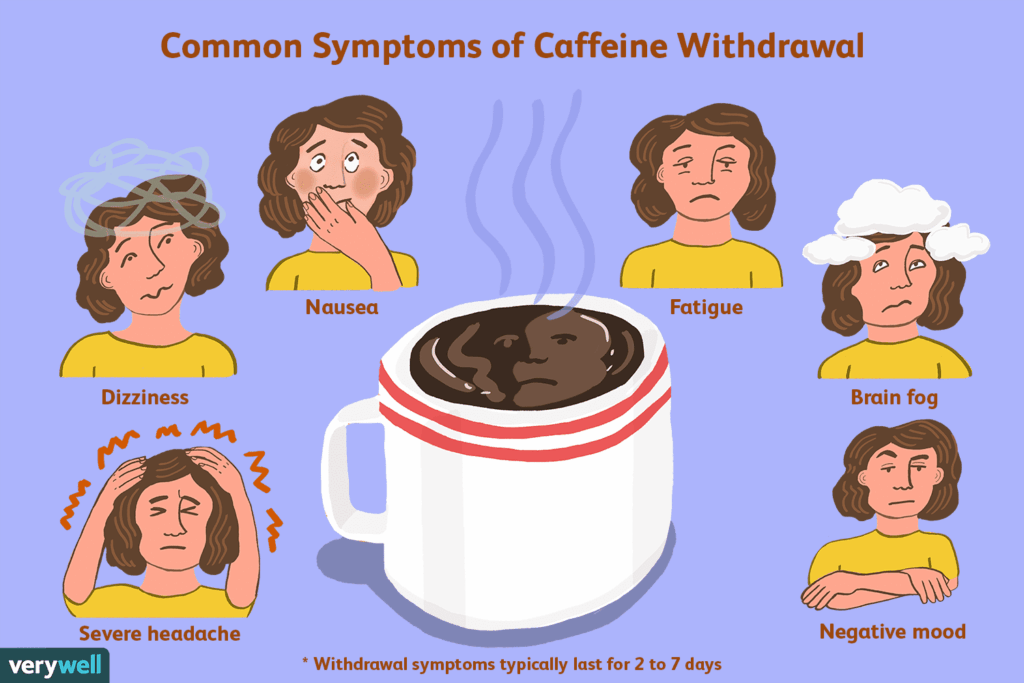
Common symptoms of caffeine withdrawal include headache, dizziness, nausea, fatigue, brain fog, and mood changes lasting 2 to 7 days
My caffeine story: I used to have coffee at 7 AM, 11 AM, and 2 PM every day. When I started fasting from 8 PM to 12 PM, I was only having coffee at noon. By 10 AM, I’d have this terrible headache. I had no idea it was caffeine withdrawal until my sister pointed it out.
Mike’s Solution: My friend Mike gradually reduced his caffeine intake before starting his fasting routine. “Instead of going cold turkey, I cut back by one cup per week for three weeks. Made all the difference!”
Reason #4: Electrolyte Imbalance
When you fast, you lose important minerals like sodium, potassium, and magnesium through your urine. Without enough of these, your body doesn’t work properly.
Signs of electrolyte imbalance:
- Headaches
- Muscle cramps
- Feeling weak or tired
- Dizziness
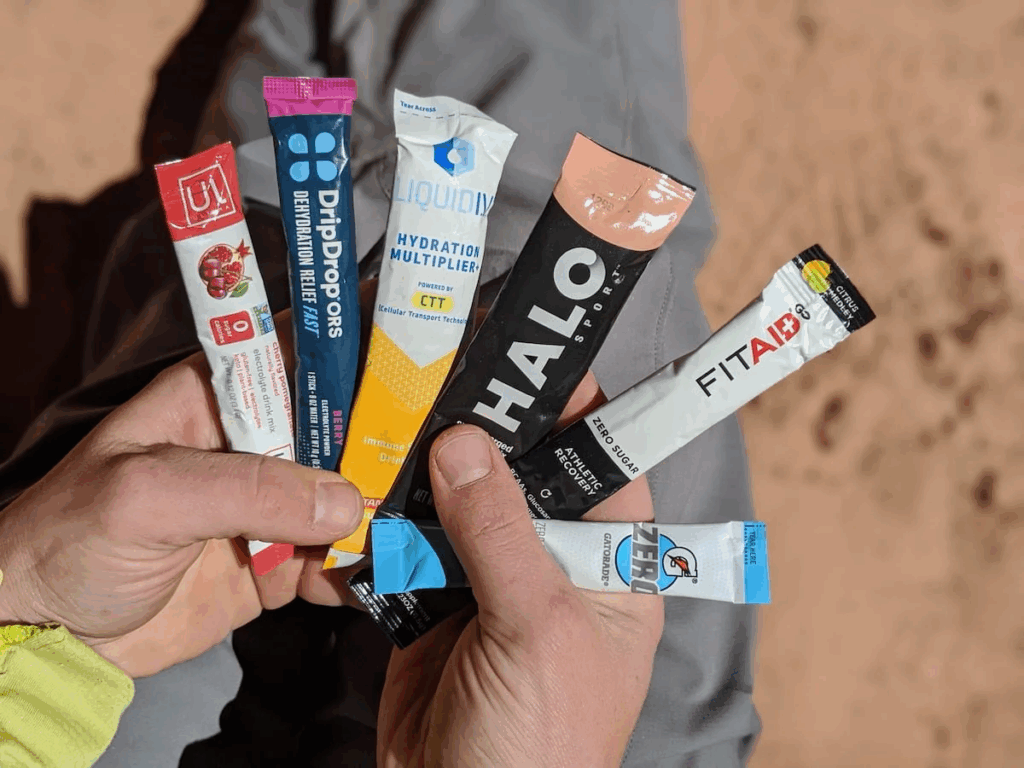
Various packets of electrolyte drink powders known for hydration and headache relief during fasting
Jenny’s Discovery: My friend Jenny was doing everything “right” – drinking tons of water, eating well during her eating window – but still getting headaches. Her doctor suggested adding a pinch of sea salt to her water. “It was like magic,” she said. “The headaches just stopped.”
Reason #5: Stress and Poor Sleep
Starting a new eating pattern can be stressful, and stress can trigger headaches. Plus, some people have trouble sleeping when they first start fasting.
Lisa’s Experience: My sister Lisa noticed she was getting headaches mainly on days when she was stressed at work or didn’t sleep well. “I realized fasting was fine, but doing it when I was already stressed made everything worse.”
How to Prevent Fasting Headaches
Now for the good stuff – here’s exactly how to prevent these headaches from happening:
Prevention #1: Drink WAY More Water
I can’t stress this enough. Most people who get fasting headaches aren’t drinking nearly enough water.
How much to drink: Aim for at least 2.5-3 liters (10-12 cups) per day while fasting. That might sound like a lot, but remember – you’re not getting water from food anymore.
My water strategy:
- First thing in morning: 2 big glasses
- Keep a water bottle with me always
- Set phone reminders to drink every hour
- Check my pee – if it’s dark, I need more water
Prevention #2: Start Slowly
Don’t jump into long fasts right away. Your body needs time to adjust.
My recommended progression:
- Week 1: 12-hour fasts (eat dinner at 7 PM, breakfast at 7 AM)
- Week 2: 14-hour fasts if 12 feels easy
- Week 3: 16-hour fasts if you’re ready
- Month 2+: Longer fasts if you want
Carlos’s Success: My friend Carlos tried to start with 20-hour fasts and felt terrible. When he backed down to 12 hours and worked up slowly, he never got another headache.
Prevention #3: Add Electrolytes
This was a total game-changer for me. Adding electrolytes to my water made fasting about 10 times easier.
Easy ways to add electrolytes:
- Tiny pinch of sea salt in your water
- Electrolyte powder (look for zero-calorie ones)
- Lemon or lime juice in water
- Magnesium supplement before bed
Important: Start with just a tiny pinch of salt. You can always add more, but too much tastes awful and can make you feel worse.
Prevention #4: Handle Caffeine Smart
If you’re a coffee or tea drinker, don’t go cold turkey when you start fasting.
Caffeine strategies:
- Have your usual morning coffee during your eating window
- Gradually reduce caffeine intake over a week before starting
- Switch to green tea (less caffeine than coffee)
- Time your eating window to include your usual coffee times
My approach: I moved my eating window to start at 11 AM so I could have my morning coffee. Problem solved!
Prevention #5: Eat Smart During Your Eating Window
What you eat when you’re not fasting affects how you feel during your fast.
Foods that help prevent headaches:
- Protein (keeps blood sugar stable)
- Healthy fats (provides steady energy)
- Complex carbs (avoid blood sugar crashes)
- Plenty of vegetables and fruits
Foods that make headaches more likely:
- Lots of sugar (causes blood sugar crashes)
- Refined carbs (white bread, pasta)
- Too much caffeine all at once
- Not eating enough overall
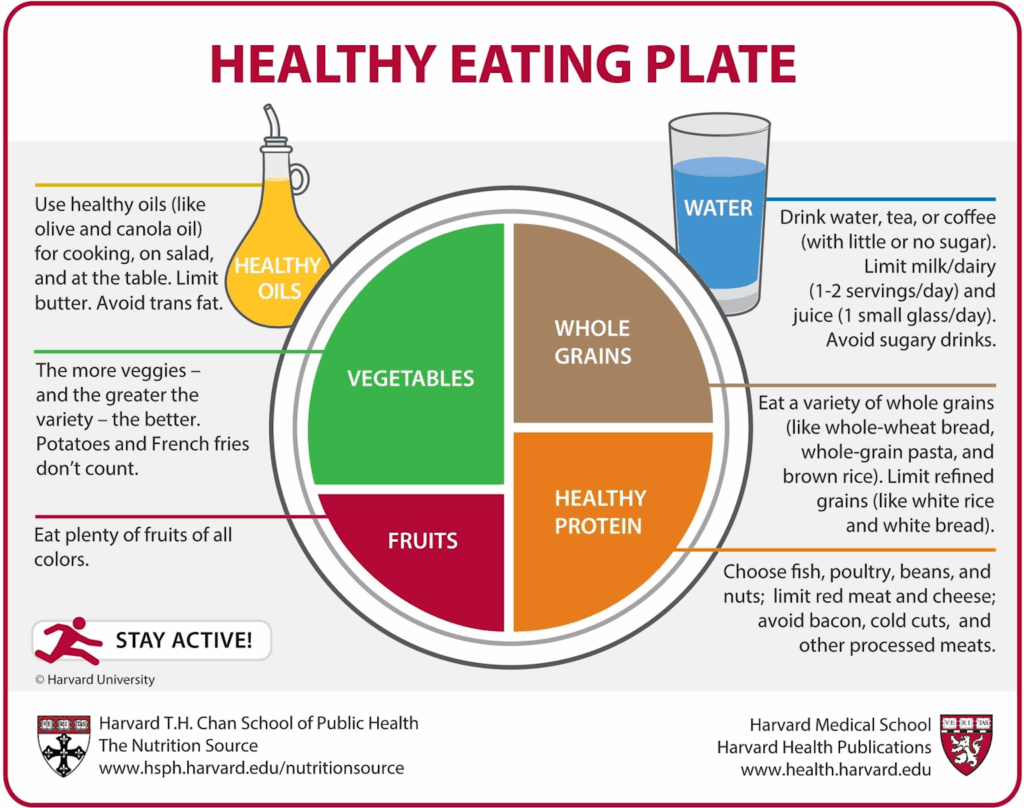
Tom’s meal strategy: My neighbor Tom follows what he calls the “PFC rule” – every meal has Protein, Fat, and Complex carbs. “It keeps my blood sugar rock solid during fasts,” he says.
How to Fix a Fasting Headache When It Happens
Sometimes headaches happen anyway. Here’s what actually works to get rid of them:
Remedy #1: Drink Water Immediately
First thing – chug a big glass of water. I know it sounds too simple, but it works more often than you’d think.
My headache protocol:
- Drink 16-20 oz of water right away
- Wait 20 minutes
- If headache persists, try the other remedies
Remedy #2: Add Salt to Your Water
If plain water doesn’t help, add a small pinch of sea salt to your next glass. This helps with electrolyte balance.
Lisa’s trick: My sister keeps little packets of sea salt in her purse. When she feels a headache coming on, she adds one to her water bottle. “Works better than any pain reliever I’ve tried.”
Remedy #3: Take a Pain Reliever
Over-the-counter pain relievers like ibuprofen, acetaminophen, or aspirin can help.
Important: Don’t rely on these every day. Use them as backup when other strategies don’t work.
Remedy #4: Break Your Fast (And That’s OK!)
If your headache is severe or won’t go away, it’s totally fine to break your fast early and eat something.
What to eat if you break your fast:
- Something with protein and healthy fats
- Avoid sugary stuff that will cause blood sugar swings
- Keep it small if you plan to continue fasting later
My rule: Health always comes first. If I feel genuinely awful, I eat something. There’s no prize for suffering through a fast.
Remedy #5: Try Natural Remedies
Some natural approaches can help too:
- Cold or warm compress on your forehead
- Gentle massage of temples and neck
- Deep breathing exercises
- Peppermint oil (diluted) on temples
- Rest in a dark, quiet room
Real Success Stories from Real People
Let me share how people I know solved their fasting headache problems:
Sarah (Fixed with Better Hydration):
“I kept getting these awful headaches every day around 2 PM during my 16:8 fast. I thought I was drinking enough water, but when I actually measured it, I was only having about 6 glasses a day. Once I started drinking 10-12 glasses, the headaches completely disappeared.”
Mike (Fixed by Managing Caffeine):
“I was getting terrible headaches every morning until I realized it was caffeine withdrawal. I started having my coffee at 11 AM when my eating window opened instead of waiting until afternoon. Problem solved!”
Jenny (Fixed with Electrolytes):
“Water alone wasn’t helping my headaches. My doctor suggested adding a tiny bit of sea salt and lemon to my water. The difference was amazing – I went from daily headaches to maybe one per month.”
Tom (Fixed by Starting Slower):
“I jumped straight into 18-hour fasts and felt terrible every day. When I stepped back to 12 hours and worked my way up over 6 weeks, I never got another headache. Patience was key.”
Carlos (Fixed with Better Meal Planning):
“I was eating junk during my eating window and wondering why I felt awful during fasts. Once I started focusing on protein, healthy fats, and vegetables, my energy stayed stable and the headaches stopped.”
When to Be Concerned About Fasting Headaches
Most fasting headaches aren’t serious, but there are times when you should stop fasting and maybe call a doctor:
Stop fasting and seek help if you have:
- Severe headache that won’t respond to pain relief
- Headache with fever
- Sudden, intense headache unlike anything you’ve had before
- Headache with vision changes
- Headache with nausea and vomiting that won’t stop
- Headache with confusion or trouble speaking
My safety rule: If something feels really wrong (not just uncomfortable), I eat something and call my doctor if needed. Better safe than sorry.
The Science Behind Why This Happens
Here’s what’s actually going on in your body when you get fasting headaches:
Dehydration Effects: When you’re dehydrated, your brain tissue loses water and shrinks slightly. This can cause pain receptors to be triggered.
Blood Sugar Changes: Your brain needs steady fuel. When blood sugar drops too quickly, it can trigger headache pathways.
Caffeine Withdrawal: Caffeine narrows blood vessels in your brain. When you stop having caffeine, blood vessels widen, causing increased blood flow and headaches.
Electrolyte Imbalances: Minerals like sodium help regulate fluid balance and nerve function. When they’re off, headaches can result.
My Personal Headache Prevention Routine
Here’s exactly what I do to avoid fasting headaches:
The night before fasting:
- Eat a balanced dinner with protein, healthy fats, and vegetables
- Drink a big glass of water before bed
- Get to bed at a reasonable time
During my fast:
- Start with 2 big glasses of water first thing
- Add a tiny pinch of sea salt to one glass
- Sip water throughout the day (set hourly reminders)
- Have black coffee at 11 AM when my eating window starts
- Take breaks and rest if I feel stressed
Breaking my fast:
- Start with something balanced – protein and vegetables
- Avoid sugary stuff that will cause crashes later
- Eat slowly and mindfully
Common Mistakes That Make Headaches Worse
Let me save you from the mistakes I made:
Mistake #1: Not drinking enough water (the most common one)
Mistake #2: Starting with fasts that are too long
Mistake #3: Going cold turkey on caffeine
Mistake #4: Eating junk during eating windows
Mistake #5: Ignoring stress and poor sleep
Mistake #6: Not adding electrolytes when needed
Mistake #7: Toughing it out instead of listening to your body
Building Your Headache-Free Fasting Plan
Here’s how to set yourself up for success:
Week 1: Foundation
- Start with 12-hour fasts
- Focus on drinking more water
- Keep your usual caffeine routine
Week 2: Adjustment
- Try 13-14 hour fasts if 12 feels easy
- Add a pinch of salt to one glass of water daily
- Pay attention to how different foods affect you
Week 3: Progress
- Move to 15-16 hour fasts if ready
- Fine-tune your hydration and electrolyte strategy
- Adjust meal timing if needed for caffeine
Week 4+: Optimization
- Settle into your sustainable routine
- Make adjustments based on what you’ve learned
- Remember that some days will be harder than others
The Bottom Line on Fasting Headaches
Here’s what I want you to remember: fasting headaches are common, especially when you’re starting out, but they’re definitely preventable with the right approach.
My top 5 headache prevention tips:
- Drink way more water than you think you need (2.5-3 liters daily)
- Start with shorter fasts and work up slowly
- Add a tiny pinch of sea salt to your water
- Don’t go cold turkey on caffeine
- Listen to your body and be flexible
Most importantly: Don’t suffer through terrible headaches thinking you’re being “tough.” The goal of fasting is to feel better, not worse. If you’re consistently getting bad headaches, something needs to change.
I went from getting daily pounding headaches during my first week of fasting to rarely getting them at all once I figured out these strategies. It just takes some patience and experimentation to find what works for your body.
Final advice: Be kind to yourself during the adjustment period. Your body is learning a new way of operating, and that takes time. With the right approach, you can absolutely fast without those awful headaches!
