Hey there! So you’ve been hearing about this thing called “autophagy” and wondering what all the buzz is about? I get it – when I first heard the word two years ago, I had no clue how to even pronounce it (it’s “aw-toff-ah-gee” by the way). But let me tell you, once I understood what it was and how fasting could trigger it, it completely changed how I think about my health.
Let me break this down for you like I’m explaining it to my mom – no fancy science words, just real talk about what happens in your body and why it’s pretty amazing.
What the Heck Is Autophagy Anyway?
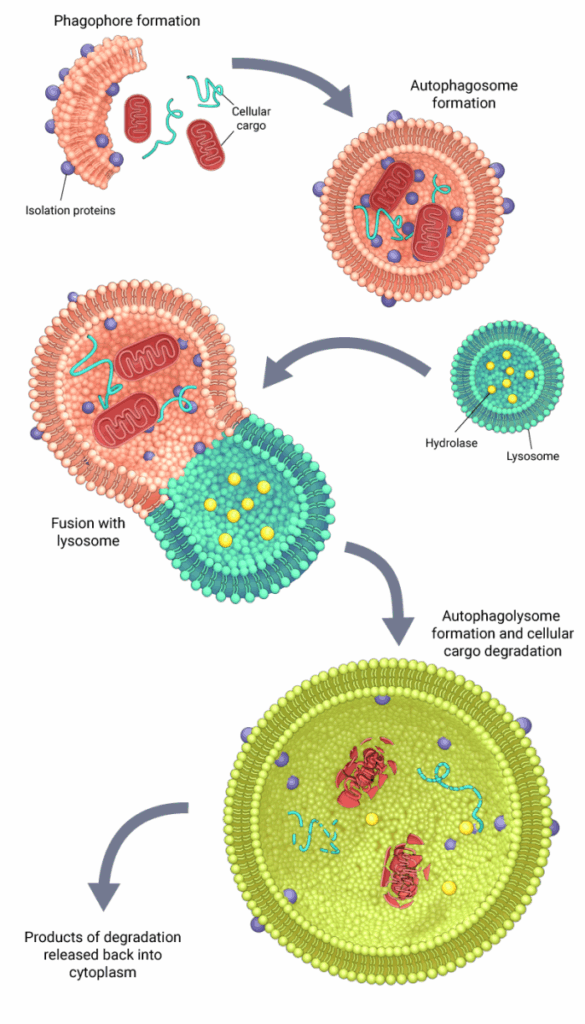
Okay, so autophagy literally means “self-eating” in Greek. I know, sounds gross, right? But it’s actually your body’s way of cleaning house. Think of it like this: your cells are like your home, and over time, they collect junk – broken furniture, old appliances that don’t work, expired food in the fridge.
Autophagy is basically your cells doing a deep spring cleaning. They take all the damaged, worn-out parts and break them down to recycle the good stuff and throw away the trash. It’s like having a super efficient recycling system inside every cell in your body.
My friend Sarah explained it perfectly: “It’s like Marie Kondo for your cells – they get rid of what doesn’t spark joy and keep what’s useful!”
How Fasting Kicks Your Cell Cleaning Into High Gear
Here’s where it gets really cool. When you fast – meaning you don’t eat for a certain amount of time – your body thinks, “Okay, we’re not getting new supplies, so we better start using what we already have more efficiently”.
It’s like when you’re cleaning out your closet before moving. You suddenly become really good at figuring out what you actually need versus what’s just taking up space.
What Happens When You Fast:
- Your body uses up the easy energy (glucose) first
- Then it starts breaking down fat for fuel
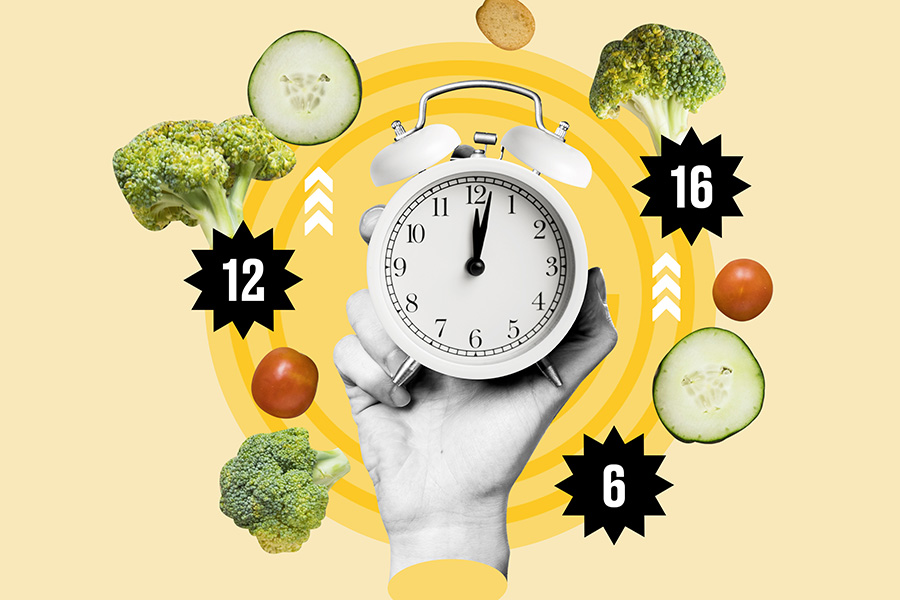
- After about 16-18 hours, autophagy really kicks in
- Your cells start their deep cleaning process
- Old, damaged parts get recycled into useful materials
My Personal Experience:
I started doing 16-hour fasts about a year ago (eating between noon and 8 PM). Around month three, I noticed I had more steady energy and my skin looked clearer. My doctor said it was probably the autophagy helping my cells work better.
The Amazing Benefits (Why Everyone’s Talking About This)
Let me share what research shows autophagy fasting benefits can do for you – and I’ll tell you some real stories from people I know:
Your Brain Gets Sharper
Studies show that autophagy helps clean up damaged proteins in brain cells, which might help prevent diseases like Alzheimer’s. It’s like defragmenting your computer – everything runs smoother.
Tom’s Story (Age 58): Tom started doing 18-hour fasts three times a week. After six months, he said his memory improved and he felt mentally sharper at work. “I used to forget people’s names all the time. Now I rarely have that problem.”
You Might Age More Slowly
This is the big one that got me interested. Autophagy helps remove cellular damage that builds up as we age. Think of it like getting regular oil changes for your car – it keeps everything running better for longer.
Lisa’s Experience: My neighbor Lisa (she’s 45) has been doing intermittent fasting for two years. People constantly ask her what skincare products she uses because her skin looks so good. “I think it’s the autophagy,” she says. “My cells are just cleaner!”
Your Heart Gets Healthier
Research shows that autophagy can help protect your heart by cleaning up damaged heart muscle cells and reducing inflammation. It’s like having a maintenance crew constantly fixing small problems before they become big ones.
My Dad’s Story: My 62-year-old dad started 16:8 fasting after his doctor mentioned his cholesterol was getting high. Six months later, his numbers improved significantly. His doctor was impressed and said the fasting might be helping his cells clean themselves up better.
Your Immune System Gets Stronger
Autophagy helps your immune cells work better by removing damaged parts and keeping everything running smoothly. It’s like regularly cleaning and maintaining your home security system.
Sarah’s Experience: Sarah used to get sick every winter – like clockwork. Since she started fasting, she’s had maybe one minor cold in the past year. “I can’t prove it’s the autophagy, but something’s definitely working better.”
How Long Do You Actually Need to Fast?
This was my biggest question when I started. The good news is you don’t need to fast for days to get benefits, but longer fasts do trigger more autophagy.
The Timeline:
- 12-16 hours: Autophagy starts to kick in
- 18-24 hours: Really gets going
- 48-72 hours: Reaches peak levels (but this is advanced stuff!)
Most people find success with:
- 16:8 method (fast 16 hours, eat in 8-hour window)
- 18:6 method (fast 18 hours, eat in 6-hour window)
- One or two 24-hour fasts per month
I personally do 16:8 most days and throw in a 24-hour fast once a month. It feels manageable and I still get the benefits.
Other Ways to Boost Autophagy (Besides Fasting)
Here’s what’s cool – you don’t have to rely only on fasting. There are other ways to encourage your cells to clean house:
Exercise: When you work out, your muscles need energy fast, which can trigger autophagy. My trainer Jake says he thinks of it as “making your muscles clean their rooms.”
Sleep: Your brain does major autophagy while you sleep. This is when it clears out the mental clutter from the day.
Certain Foods: Things like green tea, coffee, and foods with antioxidants can help. I drink green tea during my fasting window and black coffee in the morning.
Stress (The Good Kind): Brief, healthy stressors like cold showers or saunas can trigger autophagy. My friend Mike does cold showers and swears by them.
Real Talk: What It Actually Feels Like
Let me be honest about what happens when you start fasting to trigger autophagy:
Week 1: I felt hungry at my usual meal times and kept checking the clock. Kind of cranky around hour 14.
Week 2: Started getting easier. I noticed I had steady energy instead of the usual afternoon crash.
Week 3: Had my first “wow” moment – realized I’d gone 16 hours without thinking about food much.
Month 2: Felt like I had more mental clarity. Tasks that used to tire me out didn’t seem as hard.
Month 6: My doctor said my blood work looked great. I felt like my body was running more efficiently.
The Safety Stuff (Super Important!)
Before you jump in, there are some people who shouldn’t fast without talking to a doctor first:
- If you’re pregnant or breastfeeding
- If you have diabetes or take blood sugar medications
- If you’re under 18 or over 75
- If you have a history of eating disorders
- If you take medications that need food
My Rule: If fasting makes you feel awful, stop. The goal is to feel better, not worse.
Getting Started: My Simple Game Plan
If you want to try autophagy fasting, here’s what I’d do if I were starting over:
Week 1: Try 12-hour fasts (eat dinner at 7 PM, breakfast at 7 AM)
Week 2: Extend to 14 hours if 12 felt okay
Week 3: Try 16 hours if you’re feeling good
Week 4: Find your sweet spot and stick with it
My Daily Routine:
- Last meal: 8 PM
- Fast until: 12 PM the next day
- Drinks during fast: Water, black coffee, plain tea
- First meal: Something with protein and healthy fats
Common Mistakes I Made (So You Don’t Have To)
Mistake #1: Trying to go too long too fast. I attempted a 24-hour fast on day one and felt terrible.
Fix: Start small and build up slowly.
Mistake #2: Not drinking enough water. I got headaches and felt weak.
Fix: Drink lots of water, especially during fasting hours.
Mistake #3: Eating junk when breaking my fast. I’d be so hungry I’d grab whatever was convenient.
Fix: Plan your first meal ahead of time. Make it nutritious and satisfying.
Mistake #4: Being too rigid. If I “messed up” the timing, I’d give up for the day.
Fix: Be flexible. If you eat earlier than planned, just start your next fast from there.
What the Science Really Says
The research on autophagy fasting benefits is pretty exciting, but I want to be honest – a lot of the studies are still on animals, not humans. What we do know is:
- Autophagy definitely happens in human cells
- Fasting does trigger it
- People who fast often report feeling better
- Some health markers improve in many people
- More human studies are being done all the time
The Bottom Line: The science looks promising, and many people (including me) feel great doing it, but we’re still learning about all the long-term effects.
My Friends’ Real Results
Mike (Age 34): “I do 18:6 five days a week. Lost 20 pounds, sleep better, and feel sharper at work. My wife says I’m less grumpy in the afternoons.”
Jenny (Age 42): “Started 16:8 because my energy was always crashing. Now I feel steady all day. My doctor said my inflammation markers improved.”
Carlos (Age 29): “I was skeptical, but after three months of intermittent fasting, I noticed my skin cleared up and I don’t get as many headaches.”
Rita (Age 55): “My memory seems better since I started fasting. I used to walk into rooms and forget why I was there – happens way less now.”
The Mental Side Nobody Talks About
Here’s something interesting – autophagy fasting benefits aren’t just physical. I noticed some mental changes too:
More Control: I felt like I had more control over my eating choices in general.
Less Food Obsession: I used to think about food constantly. Now it’s just less of a big deal.
Better Relationship with Hunger: I learned the difference between real hunger and just wanting to eat out of habit.
Confidence Boost: Successfully fasting gave me confidence that I could stick to other healthy habits too.
When NOT to Do This
Look, autophagy fasting benefits sound amazing, but it’s not for everyone. Don’t try this if:
- You’re dealing with a lot of stress
- You’re not sleeping well
- You’re already underweight
- You have a complicated relationship with food
- You’re training for a marathon or doing intense workouts
- You just don’t want to (and that’s totally fine!)
Building Your Support System
Don’t do this alone! Here’s who helped me:
My Support Team:
- My husband (he fasts too, so we support each other)
- My sister (checks in and cheers me on)
- My doctor (monitors my health markers)
- Online fasting groups (surprisingly encouraging!)
Find Your People: Tell someone what you’re doing. Having support makes a huge difference.
The Long Game: What I’ve Learned
After over a year of doing autophagy fasting, here’s what I’ve figured out:
It’s Not Magic: You still need to eat healthy foods, exercise, sleep well, and manage stress. Autophagy is just one piece of the puzzle.
It Gets Easier: The first month is the hardest. After that, it becomes pretty natural.
Listen to Your Body: Some days I need to eat earlier or later. That’s okay. Flexibility is key.
It’s Not All or Nothing: If I miss a day or eat at the “wrong” time, it’s not the end of the world.
The Benefits Are Real: I genuinely feel better, have more energy, and my health markers have improved.
Final Thoughts
Understanding autophagy and how fasting triggers cell renewal has been a game-changer for me. It’s like discovering that my body has this amazing built-in cleaning system that I can activate just by changing when I eat.
But here’s the thing – it’s not about being perfect or following rules perfectly. It’s about finding something that makes you feel healthier and more energetic.
My Advice: Start small, be patient with yourself, and pay attention to how you feel. If autophagy fasting benefits appeal to you and you feel good doing it, great! If not, that’s perfectly fine too. There are lots of ways to be healthy.
The coolest part about autophagy is that your body is already designed to do this amazing cellular cleanup – you’re just giving it the right conditions to do its job better.
Whether you try fasting or not, isn’t it pretty amazing to know that your cells have this incredible ability to clean and repair themselves? I think it’s pretty cool that we’re all walking around with these tiny cleaning crews working 24/7 to keep us healthy.
Good luck if you decide to give it a try! Remember, every expert was once a beginner, and every journey starts with understanding what you’re getting into.
