Hey, can I be honest with you for a minute? I’ve been talking to people about fasting for years now, and I keep hearing the same story over and over. Someone starts fasting, feels great for a few weeks, then hits a rough patch and wants to give up. Sound familiar?
But here’s what I’ve learned – most people don’t even know why they really started fasting in the first place. They think it’s about losing weight, but that’s just the tip of the iceberg. Let me share what I’ve discovered about the real reasons we turn to fasting, and why remembering those reasons might be exactly what you need to keep going.
It’s Never Just About the Weight
When I ask people why they started fasting, they usually say something like “I wanted to lose 20 pounds” or “My doctor said I need to get healthier.” But when I dig deeper – and I mean really dig – something else always comes out.
Take Janielle Wright. She weighed 337 pounds and said she started fasting to lose weight. But when she really thought about it, her true reason was much deeper. She was afraid she wouldn’t wake up one morning. She was scared she wouldn’t live to see her 3-year-old daughter grow up. That’s not about weight – that’s about living.
Or think about the woman I read about who saw herself tagged in Facebook photos and didn’t recognize herself at 222 pounds. Yes, she wanted to lose weight, but what really drove her was the shock of realizing she had been lying to herself about what she looked like. It wasn’t vanity – it was about facing the truth.
The research backs this up too. Studies show that people who focus on internal reasons (how they feel about themselves, their own health, their own goals) do much better than those who focus on external reasons (impressing others, fitting into society’s expectations).
So let me ask you – what was really going on in your life when you decided to start fasting?
The Hidden Reasons We Really Start
After talking to hundreds of people and reading countless stories, I’ve noticed that most of us start fasting for one of these deeper reasons:
We want control back. Life feels chaotic, and food has become something that controls us instead of the other way around. One doctor I read about described how he felt “more control over my day and over my body” when he started fasting. That feeling of being in charge again? That’s powerful.
We’re tired of being tired. It’s not really about energy levels – it’s about feeling like we’re not living our real life. We’re going through the motions, but we don’t feel fully awake or present.
We want to prove something to ourselves. Maybe we’ve failed at diets before. Maybe we feel like we never finish what we start. Fasting becomes a way to show ourselves we can stick to something hard.
We’re looking for a reset. Something big happened – a health scare, a divorce, a death in the family, turning 40 or 50. We need a way to mark a new beginning.
We want mental freedom. This one surprises people, but it’s huge. We’re tired of thinking about food all the time – what to eat, when to eat, whether we should eat. Fasting gives us permission to stop the constant food chatter in our heads.
The Stories That Show the Real Why
Let me tell you about Sarah. She’s 64 years old and weighed 242 pounds when she started. She could have said it was about weight loss, but her real reason? She wanted to be around to see her grandkids grow up. That’s about love, about future, about hope.
Then there’s Dr. Kevin Gendreau. When his sister got cancer, he looked at himself – 300 pounds with diabetes, high blood pressure, and fatty liver disease. His “why” wasn’t looking good in photos. It was about not wanting his family to lose two people to health problems.
And what about Michael Dolan? He lost 40 pounds with 16:8 fasting, but what he really gained was something else. He told people the first few days were brutal, but then his body adapted. What seemed impossible became his new normal. He proved to himself he could do hard things.
These aren’t weight loss stories – they’re transformation stories. They’re about becoming the person you want to be.
Why We Want to Quit (And It’s Not What You Think)
Here’s where it gets interesting. Most people don’t quit fasting because they’re hungry. They quit because they lose sight of their real “why.”
The research shows some fascinating stuff about this. In one study, 12 people quit the fasting group, and almost half said they were just unhappy with the diet. But here’s what I think was really happening – they forgot why they started.
Because here’s the thing: hunger comes in waves. It’s not constant. Your body actually adapts to fasting pretty quickly. After about three days of longer fasts, many people stop feeling hungry altogether. For daily fasting like 16:8, most people say it gets much easier after the first week or two.
So if it’s not really about hunger, why do people quit?
They expect magic. They think fasting will solve all their problems instantly. When the scale doesn’t move for a week, or they have a bad day, they think it’s not working.
They focus on the wrong things. They get obsessed with the scale instead of how they feel. They count hours instead of celebrating small wins.
They try to be perfect. One “mistake” and they think they’ve ruined everything. They don’t realize that successful fasters mess up sometimes too – they just don’t let it derail their whole journey.
They do it alone. They try to change a major life habit without any support system. Research shows that having support makes all the difference.

The Mental Health Benefits You Probably Don’t Know About
Here’s something that might surprise you: fasting can actually make you feel better emotionally. I’m not talking about feeling good because you lost weight. I’m talking about real changes in your brain and mood.
Studies show that fasting can help with anxiety and depression. It increases something called BDNF (brain-derived neurotrophic factor) which is important for learning, memory, and mood. It can make you feel more focused and mentally clear.
One study found that people felt irritated during an 18-hour fast, but they also felt a higher sense of achievement and control by the end. The bad feelings were temporary, but the good feelings lasted.
Think about it – when was the last time you felt truly in control of something in your life? When did you last prove to yourself that you could do something difficult? That feeling of accomplishment isn’t just nice to have – it changes how you see yourself.
What Happens When You Remember Your Real Why
I read about a pastor who’s been fasting for 25 years. He started as a teenager fasting small things like muffins and juice. But as he got older, fasting became about something much bigger. He said it taught him to “deny his flesh” so his “spirit could come alive.” When he learned to say no to his body’s demands, he started hearing what his deeper self was trying to tell him.
You don’t have to be religious to understand what he means. There’s something powerful about proving to yourself that you’re stronger than your immediate wants and cravings.
Another woman, Melissa, lost over 100 pounds in 10 months through fasting. But listen to what she said was the real benefit: “I used to think about food constantly. Now I have so much mental freedom. I eat when I’m supposed to eat, and the rest of the time I’m free to think about other things”.
That’s what I’m talking about. It’s not about the weight – it’s about the freedom.
How to Get Back to Your Real Purpose
If you’re struggling with your fasting journey right now, I want you to try something. Stop thinking about pounds and hours for a minute. Instead, ask yourself these questions:
What was really going on in your life when you decided to start fasting? Were you feeling out of control? Tired all the time? Disappointed in yourself? Scared about your health?
What did you hope would change? Not just physically, but mentally and emotionally. Did you want to feel stronger? More in control? More confident? Less obsessed with food?
What small changes have you already noticed? Maybe you sleep better. Maybe you have more energy in the morning. Maybe you feel proud that you can stick to something difficult. These matter more than the scale.

The Truth About “Failing” at Fasting
Let me tell you something that might shock you: there’s no such thing as failing at fasting. There’s only learning what works for you and what doesn’t.
That woman who lost 80 pounds? She had lost weight before and gained it back. Then she lost 70 pounds again using fasting. Her story shows that even if you’ve “failed” before, you can succeed.
The doctor who felt more control over his day? Some days he did 16-hour fasts, some days 18 hours. He didn’t aim for perfection – he aimed for consistency.
Here’s what successful fasters know that quitters don’t: it’s not about being perfect. It’s about showing up, even when it’s hard, even when you mess up, even when the scale doesn’t move.
Research on behavior change shows that people who are flexible with their approach while staying consistent with their goals are more successful long-term. That means if you break your fast early one day, you just start your next fast when you planned to. If you eat junk food during your eating window, you choose better food the next meal.
Simple Ways to Reconnect With Your Purpose
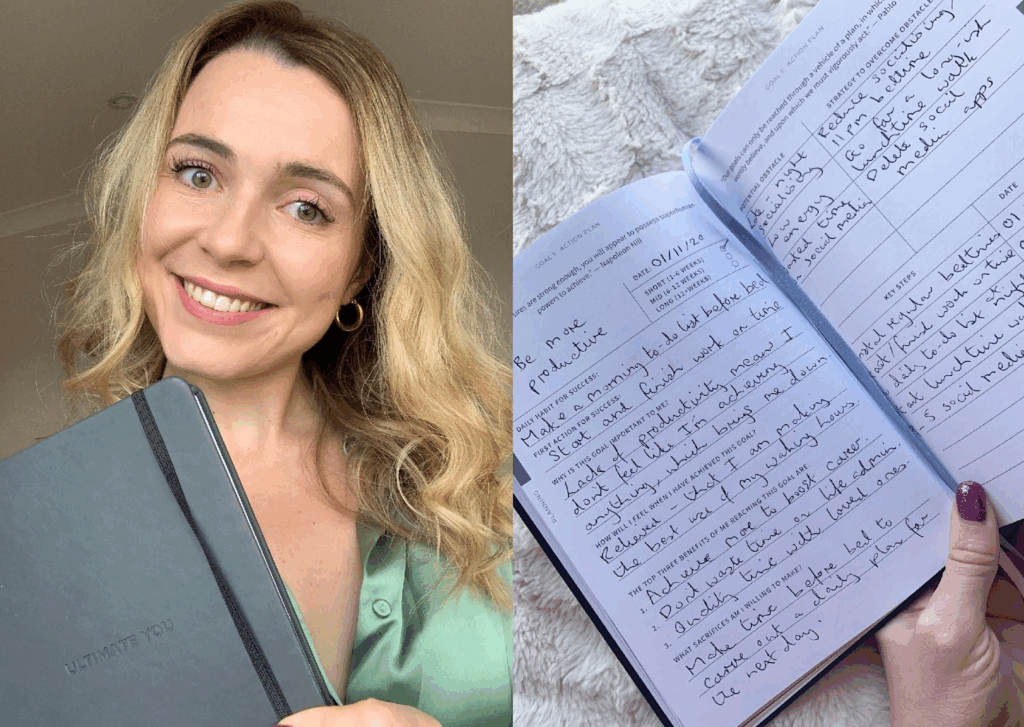
Write down your real why. Not “lose 20 pounds.” The deeper reason. The emotional reason. The reason that makes you feel something when you think about it.
Take progress pictures, but not for the reason you think. Look at them and ask: “Do I look happier? Do I look more confident? Do my eyes look brighter?” Sometimes the best changes don’t show up on a scale.
Notice the mental changes. Are you thinking about food less? Do you feel more in control? Are you sleeping better? Can you handle stress better? These are huge wins.
Celebrate small victories. Finished a 16-hour fast? That’s amazing. Chose a healthy meal to break your fast? You’re building good habits. Didn’t snack mindlessly while watching TV? You’re changing patterns.
Find your people. Join online groups, ask a friend to try fasting with you, or just talk to people who understand what you’re going through. Don’t do this alone.

When the Going Gets Tough
I’m not going to lie to you – there will be days when fasting feels hard. Days when you want to quit. Days when you think it’s not working.
On those days, I want you to remember this: every single person who has succeeded at fasting has had those same thoughts. The difference is, they didn’t let those thoughts make the decision for them.
One study participant said it perfectly: “I learned to see hunger as my friend telling me that good things were happening in my body”. What if, instead of fighting the hard parts of fasting, you saw them as signs that you’re doing something powerful?
What if feeling hungry reminded you that you’re taking control? What if having a tough day reminded you that you’re changing old patterns? What if wanting to quit reminded you how important this journey is to you?
Your Fasting Journey Is About More Than Food
Here’s what I’ve learned after talking to hundreds of people about fasting: the people who succeed long-term don’t see fasting as a diet. They see it as a way of living that gives them something they couldn’t get anywhere else.
Maybe it’s the confidence that comes from knowing you can do hard things. Maybe it’s the mental freedom that comes from not thinking about food all the time. Maybe it’s the control that comes from being stronger than your cravings.
Or maybe it’s something even bigger – the knowledge that you can change, that you can become the person you want to be, that you don’t have to stay stuck in old patterns.
Your fasting journey started for a reason. A real reason. A reason that mattered to you so much that you were willing to change how you eat, which is one of the most basic human behaviors.
That reason is still there. It’s still true. It’s still important.
You just have to remember it.
The Real Reason You Shouldn’t Quit
I’m going to tell you something that might make you emotional: you are closer than you think.
Not to your goal weight – I don’t care about that right now. You’re closer to becoming the person you started this journey to become. You’re closer to proving to yourself that you can stick to something difficult. You’re closer to having the control, the freedom, the confidence you were really looking for.
Every day you keep going, you’re building that person. Every fast you complete, every healthy choice you make, every time you don’t give up – you’re becoming who you wanted to be.
The woman who didn’t recognize herself in those Facebook photos? She became someone who could lose 80 pounds and keep it off. The doctor who wanted control? He became someone who could stick to challenging goals. The mom who was afraid she wouldn’t see her daughter grow up? She became someone who took charge of her health.
You can become that person too. You’re already becoming that person.
Your real reason for starting fasting – that deep, emotional, important reason – it’s still valid. It’s still true. It still matters.
Don’t quit on it. Don’t quit on yourself.
You’ve got this.
