Let me tell you something – when I first heard about fasting, I thought people were crazy. “Why would anyone choose to be hungry?” I asked myself. But after diving deep into this topic and talking to hundreds of people who’ve transformed their lives through fasting, I’ve learned that staying motivated isn’t just about willpower. It’s about understanding your body, your mind, and having the right tools and support system.
If you’re reading this, chances are you’ve either started fasting or you’re thinking about it. Maybe you’ve tried before and gave up when things got tough. Trust me, you’re not alone. The good news? I’m here to share everything I’ve discovered about keeping that fire burning throughout your fasting journey.

Why Your “Why” Matters More Than Anything Else
The first thing I learned from successful fasters is this: if you don’t have a strong reason for doing this, you’ll quit when it gets hard. And it will get hard – that’s just the reality.
I met Sarah, a mom from Texas who weighed 242 pounds at age 64. She didn’t start fasting because she wanted to look good in a bikini. She started because she wanted to be around to see her grandkids grow up. That’s a powerful “why” – much stronger than wanting to lose 10 pounds for a wedding.
Dr. Kevin Gendreau had an even more intense wake-up call. When his sister was diagnosed with cancer, he realized he was 300 pounds with diabetes, high blood pressure, and fatty liver disease. His “why” wasn’t vanity – it was survival. That deep motivation helped him lose 125 pounds and completely change his health.
Here’s what I want you to do right now: think beyond the number on the scale. Yes, weight loss might be part of your goal, but dig deeper. Do you want more energy to play with your kids? Do you want to feel confident again? Do you want to reduce your risk of disease? Do you want to prove to yourself that you can stick to something challenging?
Research shows that people who focus on internal motivations (like how they feel about themselves) do better than those who focus on external motivations (like impressing others). So make your “why” about you, for you.
The Science Behind Why Fasting Gets Easier (And Why You Should Push Through)
Let me explain something that will blow your mind and give you hope when things get tough. When you feel hungry during a fast, that’s not your body crying out for food – it’s your hormones doing their job.
There’s this hormone called ghrelin that scientists call the “hunger hormone”. It rises before your normal meal times and when you’re fasting. But here’s the cool part: hunger comes in waves. It’s not constant. If you can ride out one wave without eating, it will pass.
Even better news? Research shows that after about three days of longer fasts, many people stop feeling hungry altogether. Your body literally adapts. For daily intermittent fasting, most people find it gets much easier after the first week or two.
I talked to Michael Dolan, who lost 40 pounds with 16:8 fasting. He told me the first few days were brutal, but then something clicked. His body adapted, and what seemed impossible became his new normal. Now he naturally doesn’t feel hungry in the morning and loves having his first meal at noon.
Setting Yourself Up for Success: Start Small and Build
One of the biggest mistakes I see people make is going too hard too fast. They decide to jump into a 24-hour fast on day one. Don’t do this to yourself.
Remember Nissa Graun from Arizona? She was a yo-yo dieter for years until she discovered intermittent fasting. But she didn’t start with extreme fasting. She began with 14-hour fasts and gradually worked up to 16 hours. That approach helped her lose 105 pounds and keep it off.
Here’s what I recommend:
- Start with 12 hours (like 7 PM to 7 AM)
- Once that feels easy, move to 14 hours
- Then try 16:8 (the most popular method)
- Only go longer if you want to and it feels right
The key is to make small changes that don’t shock your system. Your body needs time to adapt, and your mind needs time to build new habits.
The Power of Community: Why Going It Alone Is Harder
This might be the most important thing I tell people: don’t try to do this alone. The research is crystal clear – having support makes all the difference.
Think about it – when was the last time you successfully changed a major habit without any support? It’s really hard. But when you have people cheering you on, holding you accountable, and going through the same struggles, everything changes.
Jasmin Singer, who lost 100 pounds through juice fasting, says one of her biggest pieces of advice is to find community support. She emphasizes celebrating even tiny wins with people who understand your journey.
You can find this community in several ways:
- Ask a friend or family member to join you
- Join online groups focused on fasting
- Use apps that connect you with other fasters
- Find local meetups or support groups
I’ve seen people succeed much faster when they have an “accountability buddy.” This could be someone who checks in with you daily, exercises with you, or just listens when you’re having a tough day.
Making Hunger Your Friend (Yes, Really)
I know this sounds weird, but hear me out. Instead of fighting hunger, what if you changed how you think about it?
When you feel hungry during a fast, that’s actually a good sign. It means your insulin levels are dropping, and your body is switching from storing fat to burning fat. That growling stomach? It’s the sound of your body doing exactly what you want it to do.
Research from Japan found that the hunger hormone ghrelin doesn’t just make you hungry – it also increases your motivation to exercise. So that restless feeling you get when fasting? Channel it into movement.
Here are some ways to work with hunger instead of against it:
- Drink water when you feel hungry (often we mistake thirst for hunger)
- Do light exercise like walking
- Keep busy with activities you enjoy
- Practice deep breathing
- Remember that hunger comes in waves and will pass
One study participant described it perfectly: “I learned to see hunger as my friend telling me that good things were happening in my body”.
Tools and Apps: Your Digital Support System
Technology can be a game-changer for motivation. I’m not talking about complicated stuff – just simple tools that keep you on track.
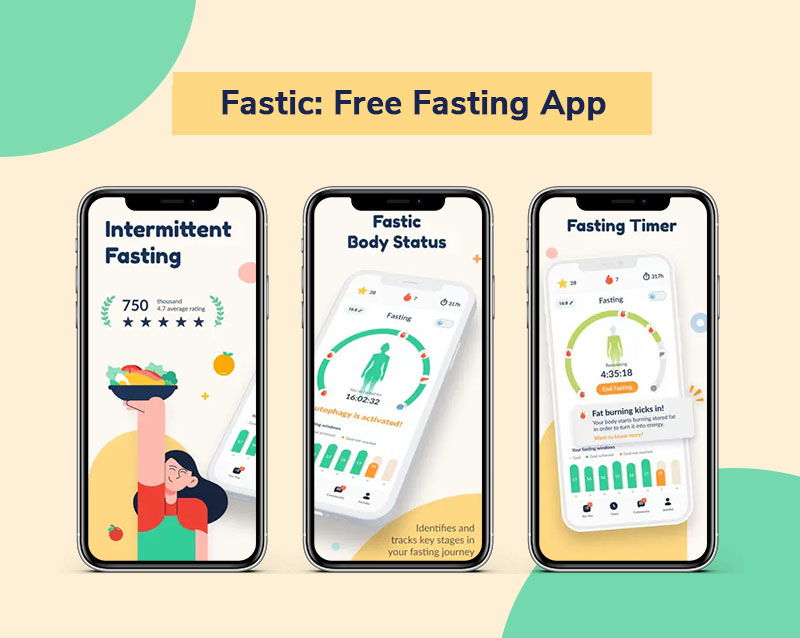
The most popular fasting apps include Fastic, Zero, BodyFast, and Simple. These apps do more than just time your fasts. They:
- Show you what’s happening in your body during different stages
- Send you encouraging messages
- Let you connect with other fasters
- Track your progress over time
- Remind you of your goals
One Reddit user explained why apps help: “For me, it motivates me seeing the clock go and the fasting bar getting filled in. When I’m hungry at 3 hours into my fast, I can look and see that my blood glucose is just rising, which means I’m definitely not actually hungry”.
The Mental Game: Dealing with Cravings and Social Pressure
Let’s talk about the elephant in the room – the mental challenges that have nothing to do with physical hunger.
Boredom eating is huge. One study participant said: “I don’t know if it’s boredom… yeah, probably more like boredom. You just sit there, watch TV and munch on something. I don’t think I’m really hungry. It’s just a habit”.
Social situations can be tough too. You might feel awkward saying no to food at work events or family dinners. Some people in research studies mentioned feeling like they were missing out or that colleagues didn’t understand.
Here’s how to handle these challenges:
For Boredom:
- Have a list of non-food activities ready (call a friend, read, take a bath)
- Stay busy during your typical snacking times
- Practice meditation or deep breathing
For Social Pressure:
- Explain your eating schedule calmly and briefly
- Suggest meeting during your eating window when possible
- Focus on the social aspect rather than the food
- Remember that most people don’t care as much as you think they do
For Cravings:
- Distract yourself for 10 minutes (cravings usually pass)
- Drink herbal tea or sparkling water
- Remind yourself of your “why”
- Look at progress photos or measurements
Real Success Stories That Will Inspire You
Let me share some real people’s journeys that show what’s possible when you stick with fasting:
Sumaya Kazi started at 205 pounds and lost over 50 pounds in 7.5 months using 4:3 fasting (eating normally 4 days, fasting 3 days per week). What made the difference for her was tracking her progress and seeing how fasting improved her health and confidence.
Charmaine had lost 80 pounds before, gained it back, then lost 70 pounds again using 18:6 fasting (eating in a 6-hour window). Her story shows that even if you’ve failed before, you can succeed.
Sara Walton Steele, 64 years old, went from 242 pounds to losing 50 pounds with OMAD (one meal a day). When she hit a plateau, she switched to alternate day fasting and broke through. Her key? Flexibility and not giving up when one approach stopped working.
These aren’t superhuman people. They’re regular folks who found what worked for them and stuck with it through the tough times.
Managing the Physical Side Effects
Let’s be honest – fasting can come with some uncomfortable side effects, especially in the beginning. But knowing what to expect helps you push through instead of giving up.
Headaches are super common in the first few days. This usually happens because your body is used to getting energy from carbs, and now it has to switch gears. The solution? Try eating low-carb for a few days before you start fasting, and make sure you’re getting enough water and electrolytes.
Feeling tired is normal too. Your body is learning to use fat for energy instead of the quick sugar hits it’s used to. Light exercise like walking can actually help with energy levels.
Trouble sleeping affects some people. The energy that comes with fasting sometimes doesn’t know when to turn off. Try taking magnesium, having a warm bath with Epsom salts, or creating a bedtime routine that helps you wind down.
Mood changes like irritability can happen when your blood sugar is adjusting. One study found that while people felt more irritable during an 18-hour fast, they also felt a higher sense of achievement and control by the end. The bad feelings are temporary, but the good feelings last.
When to Eat and What to Eat
The timing and content of your meals can make or break your motivation to continue fasting.
Don’t break your fast with junk. I’ve seen people do great all day during their fast, then completely blow it by eating pizza and ice cream when their eating window opens. This leads to feeling sluggish, bloated, and disappointed.
Instead, break your fast with:
- Protein to help you feel satisfied
- Healthy fats to keep you full
- Vegetables for nutrients and fiber
- Complex carbs for sustained energy
Think grilled chicken with vegetables, or eggs with avocado and spinach, or a balanced smoothie with protein powder.
During your eating window:
- Eat enough calories (don’t restrict too much)
- Focus on whole, unprocessed foods
- Stay hydrated
- Listen to your body’s hunger and fullness cues
Research shows that people who eat balanced, nutritious meals during their eating windows find fasting much easier than those who eat processed junk.
Exercise and Fasting: A Powerful Combination
Here’s something interesting: exercise can actually help with fasting motivation. Research shows that when you exercise at the start of a fast, it lowers ghrelin (the hunger hormone) and increases GLP-1 (which helps you feel satisfied).
This means exercising when you start your fast can make the hunger less intense. Cool, right?
Best times to exercise while fasting:
- Light exercise anytime during your fast (walking, yoga, stretching)
- More intense exercise about an hour before you break your fast
- After your workout, you can eat your first meal
What kind of exercise:
- Walking is perfect and easy
- Yoga helps with stress
- Light strength training works well
- Avoid super intense cardio until your body adapts
One study participant said: “I actually have more energy to exercise when I’m fasting. It’s weird, but I feel more focused and energetic”.
Building Habits That Stick
Motivation gets you started, but habits keep you going. After talking to hundreds of successful fasters, I’ve found they all have certain habits that make fasting automatic.
Create a routine:
- Have set eating and fasting times
- Prepare your meals in advance
- Have go-to activities for when you feel hungry
- Use the same apps or tracking methods consistently
Track your progress:
- Take photos and measurements (not just weight)
- Write down how you feel each day
- Note improvements in sleep, energy, focus
- Celebrate small wins along the way
Be flexible:
- If you mess up one day, start fresh the next day
- Adjust your eating window for special occasions
- Don’t aim for perfection – aim for consistency
- Remember that some days are harder than others, and that’s normal
Research on behavior change shows that people who are flexible with their approach while staying consistent with their goals are more successful long-term.
When Fasting Isn’t Right for You
I need to be clear about this: fasting isn’t for everyone, and that’s okay. You should not fast if you:
- Are pregnant, breastfeeding, or trying to get pregnant
- Are under 18 years old
- Have a history of eating disorders
- Have certain medical conditions like diabetes (without doctor approval)
- Take medications that require food
If you have any health conditions, always talk to your doctor before starting any fasting routine. Your safety comes first, always.
The Long Game: Making This a Lifestyle
The most successful people I’ve talked to don’t see fasting as a temporary diet – they see it as a new way of living that they actually enjoy.
Melissa, who lost over 100 pounds in 10 months, said: “I used to think about food constantly. Now I have so much mental freedom. I eat when I’m supposed to eat, and the rest of the time I’m free to think about other things”.
That mental freedom is something many long-term fasters talk about. Instead of thinking about food all day, planning every meal and snack, you simplify. You eat during your window, and you’re done thinking about food.
Signs that fasting is becoming a lifestyle:
- You don’t think about it much anymore
- Your energy levels are stable
- You sleep better
- You have better focus during fasting hours
- You genuinely don’t feel hungry outside your eating window
- You prefer this way of eating to your old habits
Your Action Plan for Staying Motivated
Okay, so how do you actually stay motivated day after day? Here’s your practical action plan:
Week 1-2: Focus on building the habit
- Start with 12-hour fasts
- Download a fasting app
- Find one accountability partner
- Write down your “why”
- Plan what you’ll do when you feel hungry
Week 3-4: Extend and adjust
- Move to 14-16 hour fasts if 12 feels easy
- Start tracking how you feel (energy, sleep, mood)
- Join an online community or forum
- Plan your eating window foods in advance
Month 2-3: Make it sustainable
- Find your ideal fasting window
- Develop go-to meals and snacks
- Create routines around your eating schedule
- Start incorporating light exercise
- Track progress beyond just weight
Month 4+: Enjoy the lifestyle
- Focus on how great you feel
- Help others who are starting their journey
- Continue learning about nutrition and health
- Stay connected with your support community
Troubleshooting Common Motivation Killers
“I’m not losing weight fast enough”
Remember, this isn’t just about weight loss. You’re improving your health, energy, focus, and relationship with food. Also, weight loss isn’t always linear. Focus on how you feel, not just the scale.
“I messed up and ate during my fast”
So what? Start your next fast when you planned to. One mistake doesn’t ruin everything. Successful fasters mess up sometimes too – they just don’t let it derail their entire journey.
“My family/friends don’t support this”
You don’t need everyone to understand your choices. Find your support elsewhere – online communities, apps, or other friends who share similar health goals. Sometimes people closest to us are the least supportive of our changes.
“I don’t have time to plan meals”
Keep it simple. You don’t need elaborate meals. Protein + vegetables + healthy fat + some carbs. Batch cook on weekends. Use a slow cooker. Remember, eating less frequently means less meal planning overall.
“I’m too hungry to function”
You might be trying to fast too long too soon. Go back to shorter fasts and build up gradually. Make sure you’re eating enough during your eating window. And remember – feeling hungry doesn’t mean you can’t function. It just feels that way at first.
Final Thoughts: You’ve Got This
Listen, fasting isn’t always easy. Some days you’ll feel like quitting. Some days you’ll actually quit and start again the next day. That’s all normal and okay.
But if you stick with it, if you find your rhythm and your support system, if you remember your “why” and celebrate the small wins along the way – this can change your life. Not just your weight or your health, but your entire relationship with food and your confidence in your ability to stick to challenging goals.
The people whose stories I shared with you? They’re not special. They didn’t have superhuman willpower. They just kept going through the hard days and found strategies that worked for them.
You can do this too. Start small, be patient with yourself, get support, and remember that every successful faster started exactly where you are right now.
Your journey starts with your very next fast. Are you ready?
