You’ve decided to try fasting? That’s awesome, but I totally get why you might be feeling a bit nervous about it. When I first started thinking about fasting, I had no clue where to begin or if I’d even do it right. I made some mistakes early on – like jumping straight into a 24-hour fast (bad idea!) and not telling anyone what I was doing.
Let me save you from those rookie mistakes and walk you through how to start fasting safely. This is everything I wish someone had told me before I began, plus some stories from friends who’ve been on this journey too.

First Things First – Talk to Your Doctor
I know, I know. Nobody wants to make that doctor appointment just to talk about skipping breakfast. But trust me on this one – it’s super important, especially if you take any medicines or have health issues.
My friend Lisa has diabetes, and her doctor helped her figure out a safe way to try fasting. They adjusted her medication timing and gave her clear rules about when to stop if her blood sugar got too low. Without that guidance, she could have gotten into real trouble.
Who Should NOT Try Fasting (At Least Not Without Medical Help):
- If you’re pregnant or nursing
- If you have diabetes or blood sugar issues
- If you take medications that need food
- If you’re under 18 or over 75
- If you have a history of eating disorders
- If you have heart problems
Don’t mess around with these – seriously. I learned this the hard way when my neighbor Bob tried fasting while on blood pressure meds and ended up feeling dizzy and weak.
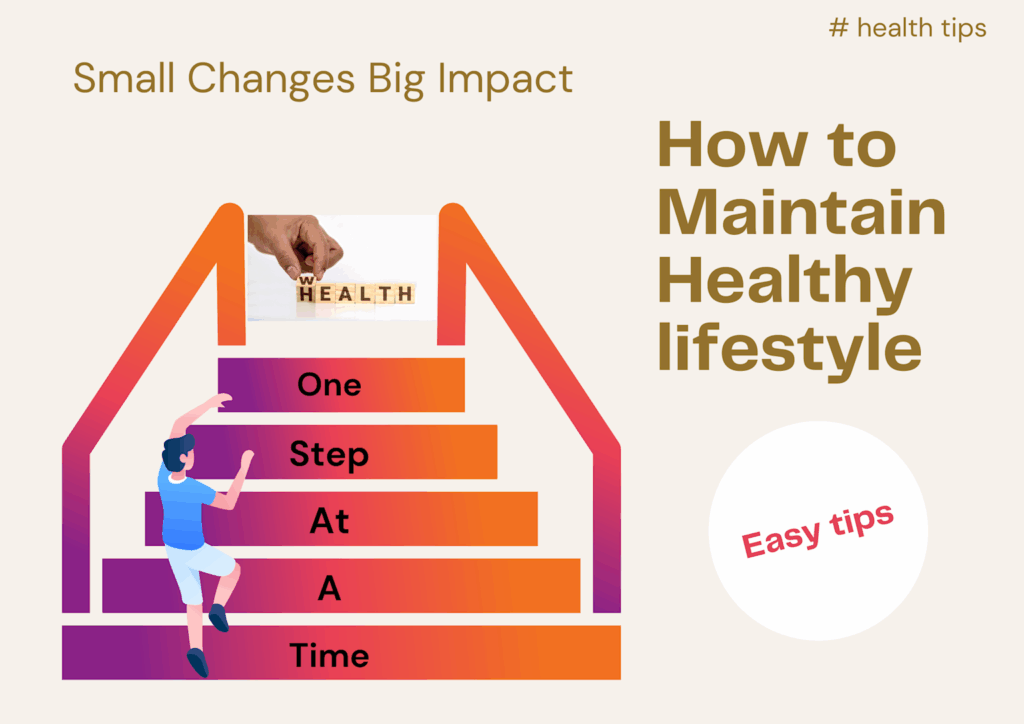
Step 1: Start Small (Like, Really Small)
Here’s where I messed up big time. I thought “go big or go home” and tried to fast for a whole day right off the bat. By hour 18, I was shaky, cranky, and ready to eat everything in my kitchen.
The smart way? Start with just 12 hours. That’s it. Most of that time, you’ll be sleeping anyway.
My Friend Sarah’s Success Story:
Sarah started by just pushing back breakfast by one hour each week. Week 1: ate at 8 AM instead of 7 AM. Week 2: ate at 9 AM. By week 4, she was easily doing a 16-hour fast. “It was so gradual, I barely noticed,” she told me.
Step 2: Pick Your Window (And Stick With It)
Once you’re comfortable with 12 hours, you can try extending it. The most popular method is 16:8 – that means fasting for 16 hours and eating within an 8-hour window.
Real Examples:
- My cousin Jake eats from 12 PM to 8 PM (skips breakfast)
- My coworker Maria eats from 10 AM to 6 PM (skips late dinner)
- I eat from 1 PM to 9 PM (works with my family dinner time)
Pick times that fit your life. Don’t try to force a schedule that makes you miserable or messes up important family meals.
Step 3: Prepare Your Body (The Week Before)
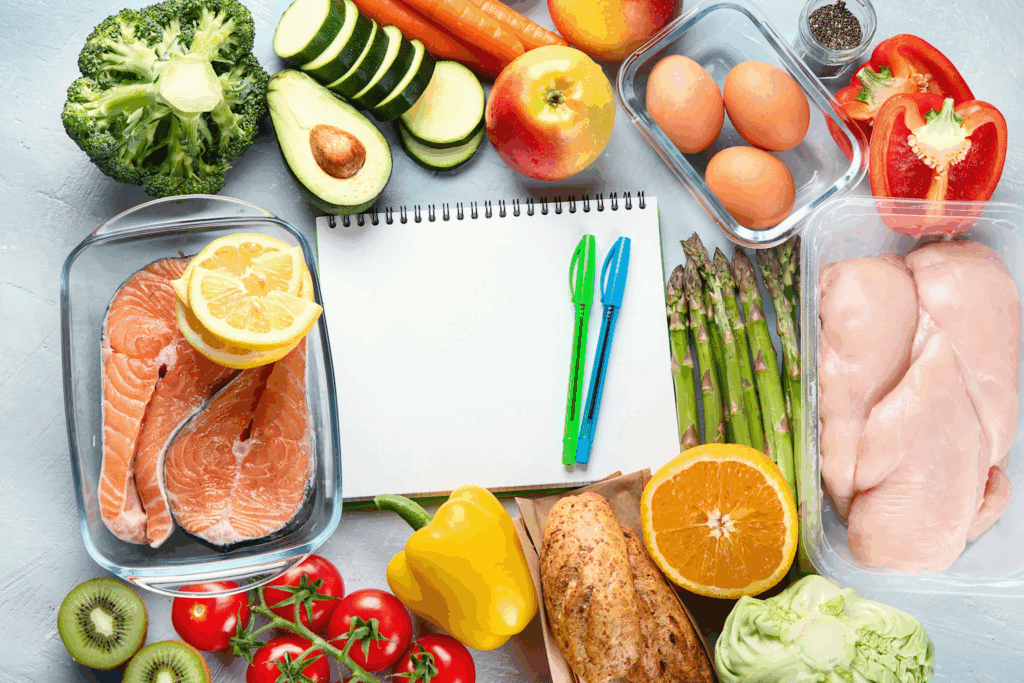
This is the part nobody talks about, but it’s huge. About a week before you start your first real fast, start cleaning up what you eat.
What I Did:
- Cut out sugary snacks (goodbye, afternoon cookies)
- Stopped drinking soda
- Ate more vegetables and protein
- Quit snacking between meals
My brother thought this was overkill, but when he tried fasting without preparing, he felt terrible for the first three days. When he tried again after a week of eating better, it was way easier.
Step 4: Stay Hydrated (This Is Crucial!)
I cannot stress this enough – drink water! Lots of it. When you’re not eating, you’re not getting the water that comes from food, so you need to make up for it.
What You Can Drink While Fasting:
- Plain water (obviously)
- Black coffee
- Plain tea (no milk or sugar)
- Sparkling water
My Daily Routine:
- First thing in the morning: big glass of water
- Mid-morning: black coffee
- Afternoon: herbal tea
- Evening: sparkling water with lemon
I keep a water bottle with me at all times now. My rule is: if I feel hungry, I drink water first and wait 10 minutes.

Step 5: Keep It Light (Exercise and Activities)
When I first started fasting, I thought I could still do my intense gym workouts. Wrong! I felt weak and dizzy halfway through my usual routine.
What Works During Fasting:
- Walking (my go-to)
- Light stretching
- Easy household chores
- Meditation or reading
What to Avoid:
- Heavy weightlifting
- Running or intense cardio
- Anything that makes you super sweaty
My neighbor Tom learned this lesson when he tried to mow his lawn during hour 14 of his fast. His wife found him sitting on the grass, completely wiped out.
Step 6: Know When to Stop
This is the most important part. If you feel really unwell – like dizzy, weak, nauseous, or just awful – eat something immediately. Don’t try to be a hero.
Warning Signs to Watch For:
- Dizziness or feeling faint
- Severe headaches
- Nausea or vomiting
- Feeling confused or unable to focus
- Heart racing or feeling shaky
My friend Anna felt terrible during her second day of trying 18-hour fasts. Instead of pushing through, she ate some crackers and felt better within 20 minutes. She went back to 14-hour fasts for a few more weeks before trying longer ones again.
Step 7: Plan Your First Meal Carefully
After my first successful 16-hour fast, I was so excited that I immediately ate a huge burger and fries. Big mistake! I felt bloated and sick for hours.
How to Break Your Fast Safely:
- Start with something small and easy to digest
- Eat slowly
- Don’t go crazy with a huge meal
- Choose nutrient-rich foods
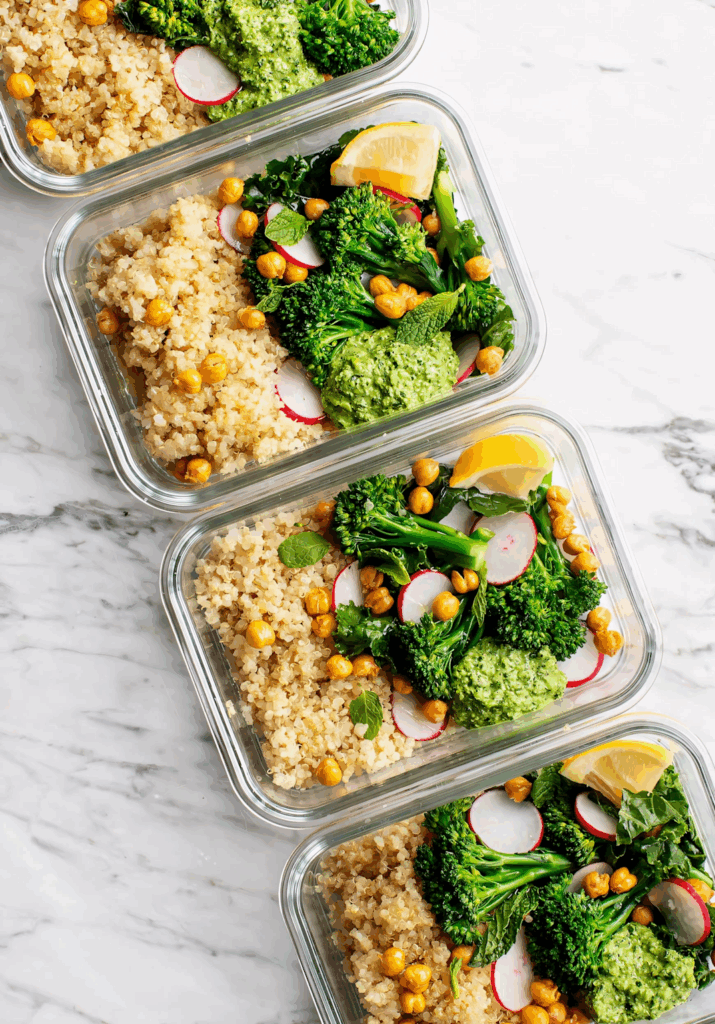
My Go-To First Meal:
A small salad with some protein (like chicken or eggs) and a piece of fruit. Simple, gentle on the stomach, and satisfying.
Real Talk: My First Month
Let me be honest about what those first few weeks were really like:
Week 1: Constantly thinking about food. Checking the clock every 20 minutes. Felt proud but also cranky.
Week 2: Started getting easier. Still hungry at my old meal times, but I could distract myself better.
Week 3: Had my first “I forgot I was fasting” moment around hour 12. That felt like a huge win!
Week 4: Fasting started feeling normal. My energy was actually better than before.
Common Mistakes to Avoid (I Made Them All!)
Starting too aggressively: Don’t jump from normal eating to 20-hour fasts. Your body needs time to adjust.
Not drinking enough water: I got terrible headaches my first week because I forgot to drink extra water.
Obsessing over the clock: Constantly checking the time makes it so much harder. Stay busy!
Eating junk during your eating window: Just because you’re fasting doesn’t mean you can eat garbage when you’re not.
Pushing through feeling sick: If your body says stop, listen to it.
Building Your Support Team
Don’t do this alone! Tell people what you’re doing – especially family members who might be confused when you skip meals.
My Support Team:
- My wife (who makes sure I drink enough water)
- My sister (who checks in via text)
- My coworker Dave (who also fasts, so we can complain together)
- Online fasting groups (surprisingly helpful and encouraging)
What to Expect Long-Term
After six months of safe fasting, here’s what changed for me:
The Good:
- Lost 15 pounds without trying
- Better energy throughout the day
- Sleeping better
- Less obsessing about food
- Saving money (fewer meals = lower grocery bills)
The Challenges:
- Social situations can be tricky
- Some people think you’re being dramatic
- Travel days mess up your schedule
- Family dinners require planning
Your Action Plan for Week 1
Here’s exactly what to do for your first week of safe fasting:
Day 1-2: 12-hour fast (eat dinner at 7 PM, breakfast at 7 AM)
Day 3-4: Same thing, but pay attention to how you feel
Day 5-7: If feeling good, try 13 hours
Daily Checklist:
- ✓ Drink water first thing in morning
- ✓ Have a plan for when hunger hits
- ✓ Keep easy snacks handy (just in case)
- ✓ Note how you feel in a journal
Final Thoughts
Starting to fast safely isn’t about being perfect – it’s about being smart. Listen to your body, start small, and don’t be afraid to adjust your plan if something isn’t working.
Remember, this isn’t a race. My friend Mike took three months to work up to 16-hour fasts, while my sister got there in three weeks. We’re all different, and that’s totally okay.
Most importantly, if fasting makes you feel awful or interferes with your life in a bad way, it’s okay to stop. There are lots of ways to be healthy, and fasting is just one option.
You’ve got this! Take it slow, be patient with yourself, and remember – every expert was once a beginner who started with just one safe step.
