Trying fasting and suddenly you’re feeling dizzy, tired, or just plain awful? I totally get it. When I first started fasting about two years ago, I remember standing up from my desk on day three and feeling like the room was spinning. I was convinced I was doing something seriously wrong.
The good news? Feeling dizzy during fasting is super common, and in most cases, it’s totally fixable. Let me walk you through exactly why this happens and share all the tricks I’ve learned to prevent and fix these uncomfortable symptoms.

First Things First – You’re Not Dying
Before I dive into the causes, let me give you some peace of mind. Most of the time, feeling dizzy or tired while fasting isn’t dangerous – it’s just your body adjusting to a new way of eating. But (and this is important) there are times when you should absolutely eat something and maybe call your doctor.
My friend Lisa put it perfectly: “The first time I got dizzy during a fast, I panicked and thought I was having some kind of medical emergency. Turns out I just needed to drink more water and slow down my approach.”
The Main Reasons You Feel Dizzy During Fasting
Let me break down the most common culprits behind that awful dizzy, tired feeling:
Reason #1: Low Blood Sugar (The Big One)
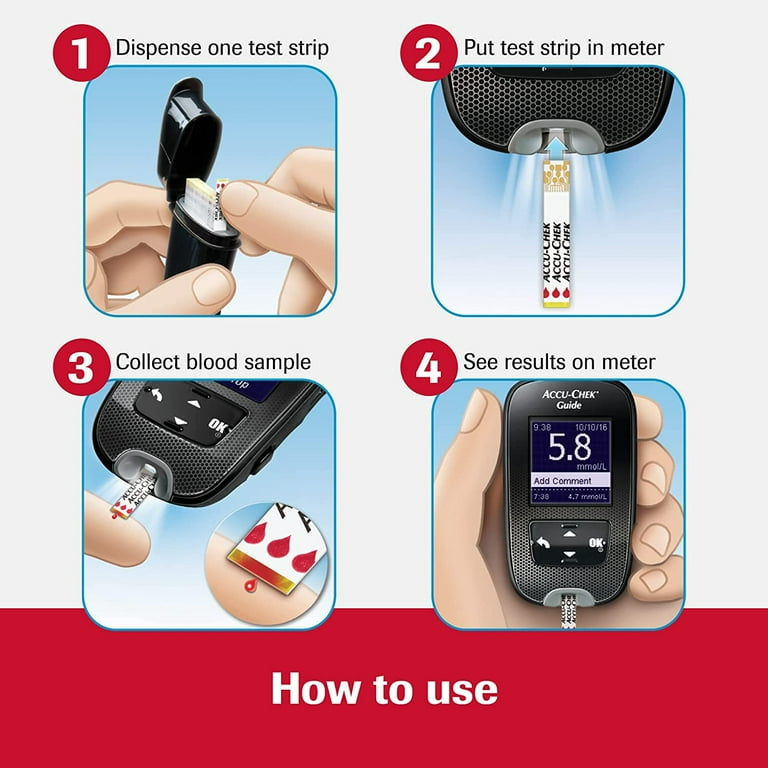
This is probably the most common reason people feel dizzy during fasting. When you stop eating, your blood sugar drops, and if it drops too fast or too low, you’ll feel awful.
What low blood sugar feels like:
- Dizziness or lightheadedness
- Shaky or weak feelings
- Sweating
- Fast heartbeat
- Confusion or brain fog
- Feeling like you might faint
My Experience: During my second week of trying 18-hour fasts, I was at the grocery store around hour 16 when I suddenly felt super dizzy and shaky. I had to sit down in the cereal aisle! I realized I’d been jumping into longer fasts too quickly.
Sarah’s Story: My coworker Sarah felt dizzy every morning during her first week of 16:8 fasting. “I thought something was wrong with me,” she said. “But my doctor explained that my body was just learning to use stored energy instead of constantly getting new food.”
Reason #2: Not Drinking Enough Water (Dehydration)
When you fast, you lose more water than usual, especially in the first few days. Plus, you’re not getting the water that normally comes from food.
Signs you’re dehydrated:
- Dizziness when standing up
- Headache
- Feeling tired or weak
- Dark yellow pee
- Dry mouth
Tom’s Wake-Up Call: My neighbor Tom was doing great with fasting until day 4, when he felt so dizzy he had to call in sick to work. “I thought I was drinking enough water, but I wasn’t even close,” he told me. Once he doubled his water intake, the dizziness went away.
Reason #3: Electrolyte Imbalance (The Hidden Problem)
This one surprised me. When you fast, you lose important minerals like sodium, potassium, and magnesium through your pee. Without enough of these, your body doesn’t work properly.
What happens when electrolytes are off:
- Feeling dizzy or lightheaded
- Muscle cramps
- Fatigue
- Irregular heartbeat
- Headaches
Mike’s Discovery: My friend Mike was doing everything “right” – drinking tons of water, eating well during his eating window. But he still felt terrible during fasts. His doctor suggested adding a tiny pinch of sea salt to his water. “It was like night and day,” he said. “I went from feeling awful to feeling energetic.”
Reason #4: Starting Too Fast, Too Soon
A lot of people (myself included) try to jump straight into long fasts. But your body needs time to adapt.
The problem with going too fast:
- Your body isn’t used to burning fat for energy yet
- You haven’t built up the systems needed for longer fasts
- Everything feels harder than it needs to
My Mistake: I went from eating every 3 hours to trying a 20-hour fast on day one. No wonder I felt like garbage! When I started over with 12-hour fasts and slowly worked up, it was so much easier.
Reason #5: Not Eating Right During Your Eating Window
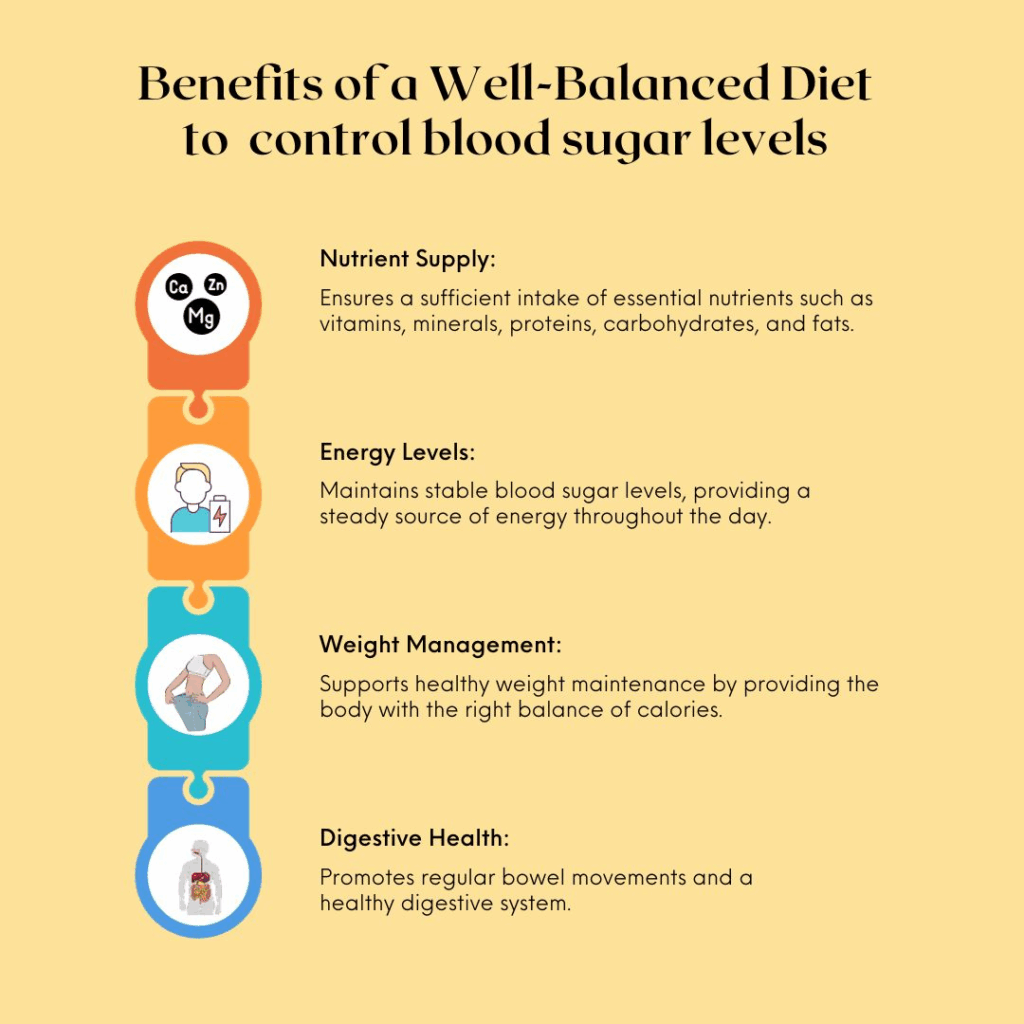
What you eat when you’re not fasting has a huge impact on how you feel during your fast.
Foods that set you up for success:
- Protein (keeps blood sugar stable)
- Healthy fats (provides steady energy)
- Fiber-rich vegetables (slows down digestion)
- Complex carbs (instead of simple sugars)
Foods that make fasting harder:
- Sugary stuff (causes blood sugar crashes)
- Refined carbs (white bread, pasta)
- Too much caffeine
- Not enough overall food

Jenny’s Learning Curve: My friend Jenny couldn’t figure out why she felt awful during fasts until she started tracking what she ate during her eating window. “I was having a donut for breakfast and wondering why I crashed at 2 PM,” she laughed. “Once I switched to eggs and avocado, fasting became totally manageable.”
How to Fix Dizziness and Fatigue While Fasting
Now for the good stuff – here’s exactly how to prevent and fix these problems:
Fix #1: Slow Down Your Approach
If you’re feeling dizzy during fasting, you might be trying to do too much too soon.
My recommended progression:
- Week 1: 12-hour fasts (eat dinner at 7 PM, breakfast at 7 AM)
- Week 2: 14-hour fasts if 12 feels easy
- Week 3: 16-hour fasts if you’re ready
- Month 2+: Longer fasts if you want
Important: If you feel terrible, go back to a shorter fast. There’s no shame in taking it slow.
Fix #2: Drink Way More Water
I can’t stress this enough. Most people who feel dizzy during fasting aren’t drinking nearly enough water.
How much to drink: Aim for at least 2-3 liters (8-12 cups) per day while fasting. More if you’re active or it’s hot.
My water strategy:
- First thing in morning: 2 big glasses
- Keep a water bottle with me always
- If I feel hungry or dizzy, drink water first
- Check my pee – if it’s dark, I need more water
Fix #3: Add Electrolytes (Game Changer!)
This was the biggest game-changer for me. Adding electrolytes made fasting about 10 times easier.
Easy ways to add electrolytes:
- Tiny pinch of sea salt in your water (start small!)
- Electrolyte powder or drops (look for zero-calorie ones)
- Magnesium and potassium supplements
- Mineral-rich foods during eating windows
Warning: Don’t overdo the salt. Start with just a tiny pinch and see how you feel.
Lisa’s Electrolyte Routine: My coworker Lisa makes “fasting water” every morning – 32 oz of water with a small pinch of sea salt and a few drops of liquid magnesium. “It keeps me steady all day,” she says.
Fix #4: Eat Smart During Your Eating Window
What you eat when you’re not fasting sets you up for success or failure.
My go-to meal structure:
- Start with protein (eggs, chicken, fish, beans)
- Add healthy fats (avocado, nuts, olive oil)
- Include fiber (vegetables, fruits)
- Finish with some complex carbs if needed

Blood sugar balancing tricks:
- Don’t eat sugary stuff on an empty stomach
- Combine carbs with protein and fat
- Eat slowly and chew thoroughly
- Don’t skip meals during your eating window
Tom’s Success Formula: My neighbor Tom struggled until he started following what he calls the “PFF rule” – every meal has Protein, Fat, and Fiber. “It keeps my blood sugar rock solid during fasts,” he says.
Fix #5: Time Your Meals Right
When you eat during your eating window can make a big difference in how you feel during your fast.
Timing tips:
- Don’t go to bed immediately after eating (gives your body time to process food)
- End your eating window 2-3 hours before bed
- Start your eating window with something substantial, not just coffee
- Space your meals evenly if you eat multiple times
Fix #6: Support Your Body with the Right Nutrients
Some vitamins and minerals are extra important when you’re fasting.
Key nutrients for fasting:
- B vitamins (help your body use fat for energy)
- Magnesium (supports muscle and nerve function)
- Potassium (helps with fluid balance)
- Vitamin D (supports overall health)
My supplement routine during fasting:
- B-complex vitamin with breakfast
- Magnesium before bed
- Electrolyte powder in water during fast
- Vitamin D with a meal
When to Be Worried (Take This Seriously)
Most dizziness during fasting isn’t dangerous, but there are times when you should stop fasting and maybe call a doctor.
Stop fasting immediately if you experience:
- Severe dizziness where you might faint
- Chest pain or irregular heartbeat
- Nausea and vomiting
- Severe headache
- Confusion or can’t think clearly
- Shaking that doesn’t stop
My Rule: If I feel genuinely unwell (not just hungry), I eat something. Health always comes first.
Carlos’s Experience: My friend Carlos pushed through feeling really dizzy during a 24-hour fast. “I thought I was being tough, but I actually passed out at work,” he told me. “Now I listen to my body and break my fast if something feels wrong.”
Real Success Stories from Real People
Let me share some stories from people who figured out how to fix their fasting problems:
Sarah (Fixed with Better Hydration):
“I felt dizzy every single morning for my first two weeks of 16:8 fasting. Turns out I was barely drinking any water. Once I started with two big glasses first thing in the morning and kept a bottle with me all day, the dizziness completely went away.”
Mike (Fixed with Electrolytes):
“I was doing everything right but still felt weak and dizzy during fasts. My doctor suggested adding electrolytes. I started putting a tiny pinch of sea salt in my water, and it was like flipping a switch. Now I feel energetic during fasts instead of awful.”
Tom (Fixed by Slowing Down):
“I jumped straight into 20-hour fasts and felt terrible – dizzy, tired, cranky. When I started over with 12-hour fasts and worked my way up slowly over 6 weeks, it was completely different. My body had time to adapt.”
Jenny (Fixed by Eating Better):
“I couldn’t figure out why I crashed so hard during fasts until I realized I was eating junk during my eating window. Once I started focusing on protein and vegetables, my energy stayed stable all day.”
Lisa (Fixed with Meal Timing):
“I used to eat a huge meal right before bed, then try to fast the next day. I felt awful every morning. When I started finishing eating 3 hours before bed, mornings became so much easier.”
The Science Behind Why This Happens
Let me explain what’s actually going on in your body when you feel dizzy during fasting:
Blood Sugar Regulation: When you eat regularly, your blood sugar goes up and down throughout the day. When you fast, your body has to learn to keep blood sugar steady using stored energy. This transition can cause dizziness.
Water and Electrolyte Balance: Fasting changes how your kidneys work. You lose more water and minerals, especially in the first few days. This can affect your blood pressure and make you feel dizzy.
Energy Source Switching: Your body normally runs on glucose (sugar) from food. During fasting, it has to switch to burning fat and making ketones. This transition takes time and can cause fatigue.
Hormonal Changes: Fasting affects hormones that control blood sugar, stress, and energy. Your body needs time to adjust these systems.
Preventing Problems Before They Start
Here’s my prevention game plan based on everything I’ve learned:
Before You Start Fasting:
- Talk to your doctor if you have any health conditions
- Start with shorter fasts (12 hours) and work up slowly
- Plan what you’ll eat during your eating windows
- Get electrolyte powder or sea salt
During Your Fast:
- Drink water consistently throughout the day
- Add a pinch of salt to your water if needed
- Keep yourself busy and distracted
- Listen to your body and be flexible
During Your Eating Window:
- Focus on protein, healthy fats, and fiber
- Avoid sugary, processed foods
- Eat slowly and mindfully
- Don’t stuff yourself
My Personal Prevention Routine
Here’s exactly what I do to avoid feeling dizzy during fasting:
Morning (Start of Fast):
- Two big glasses of water right after waking up
- Black coffee or herbal tea
- Keep busy with work or activities
Midday:
- More water with a tiny pinch of sea salt
- Light activity like walking if I feel sluggish
- Herbal tea if I want something warm
Afternoon:
- Check in with how I’m feeling
- More water or sparkling water
- Break fast early if I feel genuinely unwell
Evening (Breaking Fast):
- Start with something small like nuts or a few bites of vegetables
- Wait 20 minutes, then have a full meal
- Focus on protein and vegetables first
The Bottom Line
Feeling dizzy during fasting is common, especially when you’re starting out. The good news is that it’s usually easy to fix with simple changes like drinking more water, adding electrolytes, and taking a slower approach.
My top 5 fixes:
- Drink way more water than you think you need
- Add a tiny pinch of sea salt to your water
- Start with shorter fasts and work up slowly
- Eat protein and healthy fats during eating windows
- Listen to your body and be flexible
Remember: The goal of fasting is to feel better, not worse. If you’re consistently feeling awful, something needs to change. Don’t try to tough it out – work with your body, not against it.
Most people find that once they make these adjustments, fasting becomes much easier and more enjoyable. I went from feeling dizzy and miserable to actually looking forward to my fasting hours because of how good and energetic I feel.
Final Advice: Be patient with yourself. It took me about a month to really get the hang of fasting without feeling dizzy or tired. Everyone’s different, but with the right approach, you can definitely make fasting work for you too.
Your body is amazing at adapting – sometimes it just needs a little help and time to figure things out!
