Hey there! So you’re curious about what’s actually going on inside your body when you fast? I totally get it. When I first started fasting about two years ago, I was fascinated (and honestly a little worried) about what my body was doing during those hours without food.
Let me walk you through exactly what happens during fasting, hour by hour. I’ll keep it simple and share some real stories from my own experience and people I know. Trust me, once you understand what’s happening, fasting becomes a lot less scary and way more interesting!
First Things First – Your Body Is Smarter Than You Think
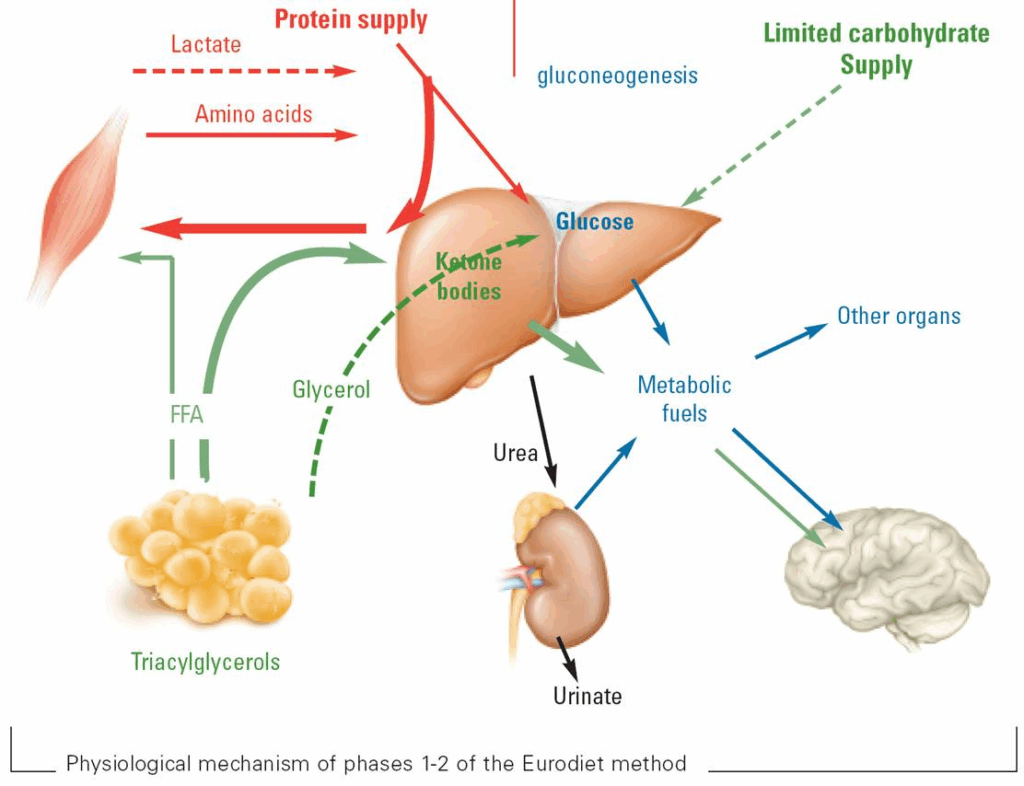
Before we dive in, let me tell you something that blew my mind when I learned it. Your body has this amazing ability to switch between different types of fuel, kind of like a car that can run on gas or electricity. When you eat, it uses the food you just had. When you don’t eat, it smoothly switches to using stored energy.
My friend Sarah put it perfectly: “It’s like your body has a backup generator that automatically kicks in when the main power goes out.”
Hour 0-4: The “Just Ate” Phase
Let’s start from when you finish your last meal. For the first 3-4 hours, your body is basically doing what it normally does after you eat.
What’s happening:
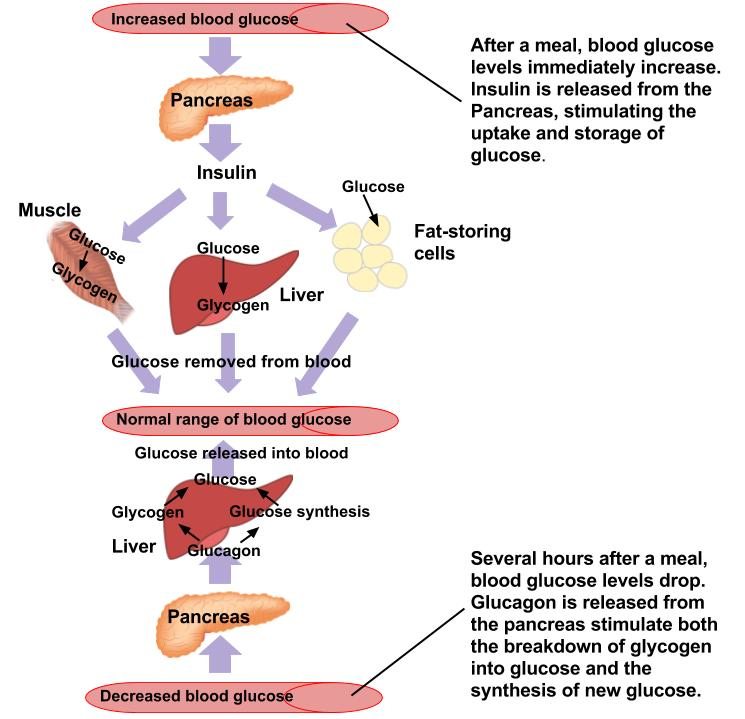
- Your blood sugar goes up from the food you ate
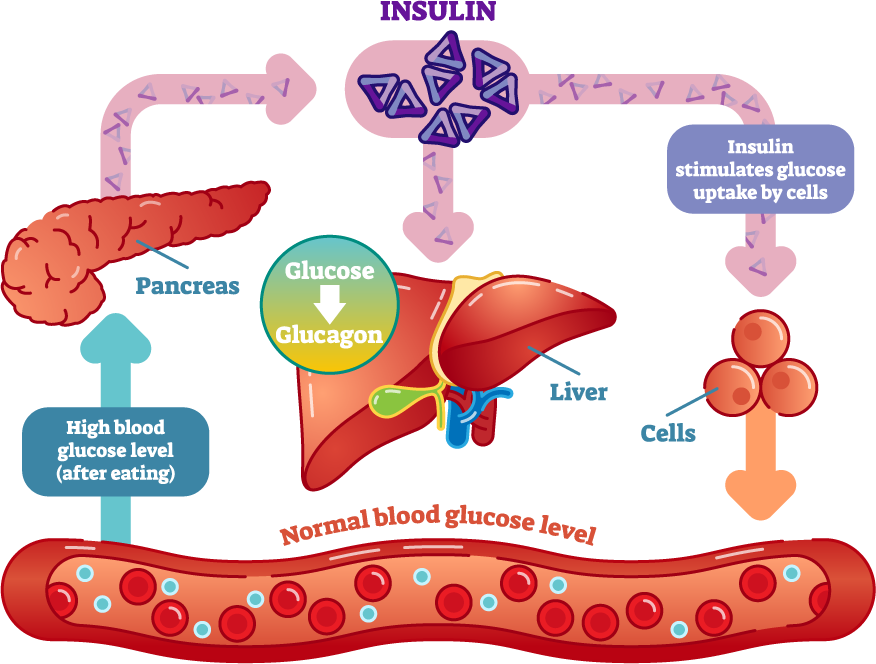
- Your pancreas releases insulin to help move that sugar into your cells
- Your body stores extra energy in your liver and muscles as something called glycogen (think of it like a battery pack)
- If there’s still extra energy, it gets stored as fat
My Experience: During this phase, I usually feel pretty normal. Sometimes a bit sleepy after a big meal, but nothing unusual. It’s just business as usual for your body.
Real Example: My neighbor Tom noticed that if he ate a big pasta dinner, he’d feel energetic for a few hours, then start getting a little tired. That’s totally normal – it’s just his body processing all that food.
Hour 4-16: The “Getting Into Gear” Phase
This is where things start getting interesting. Around hour 4, your body realizes “Hey, we haven’t gotten new food in a while. Time to start using what we’ve stored up”.
What’s happening:
- Your blood sugar starts dropping back to normal levels
- Insulin levels go down
- Your body starts breaking down those glycogen “battery packs” in your liver and muscles
- You begin burning stored fat for energy (but just a little bit at first)
- Something cool called autophagy starts happening – it’s like your cells doing spring cleaning
How It Feels: For me, this is usually when I first notice I’m fasting. Around hour 6-8, I might think “Oh yeah, I haven’t eaten.” But it’s not uncomfortable yet – more like a gentle reminder.
Lisa’s Story: My coworker Lisa does 16-hour fasts regularly. She says hours 6-12 are her sweet spot. “I feel alert and focused, like my brain is running cleaner,” she told me.
Hour 12-16: The “Fat Burning Kicks In” Phase
Now we’re getting to the good stuff! By hour 12-16, your body has used up most of those glycogen stores and is really starting to burn fat for energy.
What’s happening:
- Your liver is almost out of stored glycogen
- Fat burning really ramps up
- Your body starts making ketones (a super clean fuel for your brain)
- Autophagy (that cellular cleaning I mentioned) gets more active
- Your insulin levels are nice and low, which helps with fat burning
My Experience: This is where I started noticing the benefits. Around hour 14, I’d get this surge of mental clarity. My friend Jake calls it “fasting brain” – everything just feels sharper.
Sarah’s Discovery: “I thought I’d be dragging by hour 15, but I actually had more energy than usual. It was like my body found a cleaner fuel source.”
Hour 16-24: The “Full Fat Burning Mode” Phase
If you make it past 16 hours (which is further than most people go), your body really hits its stride.
What’s happening:
- You’re officially in fat-burning mode
- Ketones are being produced more steadily
- Autophagy is in full swing
- Your body releases growth hormone (which helps preserve muscle)
- An enzyme called AMPK gets activated, which boosts the cellular cleaning even more
How It Feels: The first time I did a 20-hour fast, I was amazed. I expected to feel weak, but I actually felt energetic and focused. My stomach wasn’t even grumbling anymore.
Mike’s 24-Hour Experience: My brother Mike does 24-hour fasts once a month. “Hour 18-22 is actually my favorite part,” he says. “I feel like I could run a marathon, and my thinking is crystal clear.”
Hour 24-72: The “Deep Clean” Phase
This is advanced territory – not everyone goes this long, and you definitely shouldn’t without talking to a doctor first.
What’s happening:
- Deep ketosis (your body is running primarily on ketones)
- Maximum autophagy (cellular repair and cleaning)
- Stem cell production increases
- Brain-derived growth factor (BDNF) increases – this is like fertilizer for your brain
- Your body becomes incredibly efficient at burning fat
Real Talk: I’ve only done this a few times, and it’s intense. You feel very different – almost like you’re operating on a higher level. But it’s not for beginners.
What Actually Changes in Your Blood
Let me explain what’s happening in your bloodstream in simple terms:
Blood Sugar (Glucose)
Normal eating: Goes up and down like a roller coaster all day
During fasting: Stays nice and steady at a lower, healthy level
My dad has diabetes, and his doctor was amazed at how stable his blood sugar became when he started doing 16-hour fasts.
Insulin
Normal eating: Constantly being released every time you eat
During fasting: Gets to take a break and drops to very low levels
Think of insulin like a busy traffic cop. When you’re eating all day, it’s constantly directing traffic. During fasting, traffic slows down and the cop can relax.
Ketones
Normal eating: Barely any in your blood
During fasting: Steadily increase, especially after hour 12
Ketones are like premium fuel for your brain. My friend Anna says she can actually think more clearly when her ketones are up.
The Hormones That Control Everything
Your body has these amazing chemical messengers that orchestrate the whole process:
Insulin: The “storage” hormone. When it’s high, you store energy. When it’s low, you burn stored energy.
Glucagon: The “release energy” hormone. It tells your liver to release stored glucose when your blood sugar drops.
Growth Hormone: Goes way up during fasting, helping preserve your muscle mass.
Cortisol: Your stress hormone, which actually helps with the fat-burning process (in the right amounts).
Real Stories from Real People
Let me share what actually happens to people I know when they fast:
Tom (Age 45, 16-hour daily fasts):
“Hours 1-6: Normal, sometimes sleepy after my last meal
Hours 6-12: Starting to feel lighter, more alert
Hours 12-16: This is my sweet spot – incredible focus at work
Hour 16: Time to eat! I’m hungry but not starving”
Sarah (Age 38, does 20-hour fasts twice a week):
“The first few times were tough around hour 14-16, but now that’s when I feel best. My skin cleared up after a few months, and I think it’s from all that cellular cleaning happening.”
Mike (Age 32, monthly 24-hour fasts):
“Around hour 20, I get this weird energy surge. Not jittery like from coffee, but this calm, steady energy. My wife thinks I’m crazy, but I actually sleep better after a 24-hour fast.”
What You Might Feel (The Honest Truth)
Hours 1-6: Pretty normal, maybe a little tired if you had a big meal
Hours 6-12: First awareness that you’re fasting, mild hunger pangs
Hours 12-16: This varies a lot between people. Some feel great, others feel a bit weak
Hours 16+: If you make it this far, you often get a “second wind” of energy
Common Side Effects:
- Headache (usually from not drinking enough water)
- Feeling cold (your metabolism slows down a bit)
- Mild nausea (rare, but it happens)
- Increased alertness (many people love this part)
My First Week: I felt hungry around my normal meal times, had a mild headache on day 2 (solved by drinking more water), and was amazed by the mental clarity by day 4.
The Cellular Cleanup (Autophagy Explained Simply)
This is one of the coolest parts. Starting around hour 12-16, your cells begin this process called autophagy.
Think of it like this: your cells are constantly accumulating junk – damaged proteins, worn-out parts, cellular debris. Normally, they’re too busy with regular work to do deep cleaning. But during fasting, they finally have time to clean house.
What gets cleaned out:
- Damaged cell parts
- Misfolded proteins
- Infected bacteria or viruses
- Cellular waste products
Lisa’s Analogy: “It’s like when you’re too busy all week to clean your house, but finally have time on Sunday to do deep cleaning. Your cells are doing the same thing during fasting.”
Your Brain on Fasting
Something really interesting happens to your brain during fasting hours. After about 18-24 hours, your brain starts producing more of something called BDNF (brain-derived growth factor).
What BDNF does:
- Helps grow new brain cells
- Improves memory
- Protects existing brain cells
- Enhances learning ability
My Experience: During longer fasts, I notice I can focus for hours without getting distracted. It’s like my brain fog lifts completely.
Carlos’s Story: My friend Carlos, who’s studying for his medical boards, does 18-hour fasts during exam weeks. “My ability to concentrate and remember information is noticeably better when I’m fasting,” he says.
The Fat Burning Process (Made Simple)
Let me explain how your body actually burns fat during fasting:
Step 1: Your body runs out of easy energy (glucose from food)
Step 2: It breaks down glycogen stores in your liver and muscles
Step 3: When those run out, it starts breaking down fat cells
Step 4: Fat gets converted into ketones and fatty acids
Step 5: Your cells happily burn these for energy
The Cool Part: Your brain actually runs better on ketones than on glucose. Many people report incredible mental clarity during this phase.
Common Myths vs. Reality
Myth: “Your metabolism shuts down when you fast”
Reality: Your metabolism actually stays pretty stable for the first 72 hours
Myth: “You’ll lose all your muscle”
Reality: Growth hormone goes up during fasting, which helps preserve muscle
Myth: “Your brain needs constant glucose”
Reality: Your brain can run very well on ketones
Myth: “Fasting puts your body in starvation mode immediately”
Reality: The starvation response doesn’t kick in until after several days
What About Exercise During Fasting?
This is a great question. Here’s what happens to your body during exercise while fasting:
Light Exercise (walking, gentle yoga):
- Usually feels great
- Your body efficiently burns fat
- Many people report feeling energetic
Intense Exercise (heavy lifting, running):
- Can be challenging, especially when you’re new to fasting
- Your body might struggle without readily available glucose
- Best to time intense workouts near the end of your fast or after eating
My Approach: I do my workouts around hour 14-15 of my fast. I have energy from fat burning, but I’m close to eating again if I need fuel.
Hydration: The Game Changer
Here’s something crucial – what happens during fasting really depends on staying hydrated. When you fast, you’re not getting water from food, so you need to drink more.
What proper hydration does:
- Prevents headaches
- Keeps your energy stable
- Helps with the fat-burning process
- Makes the whole experience more comfortable
My Daily Fasting Drinks:
- Morning: Large glass of water, then black coffee
- Afternoon: Herbal tea or more water
- Evening: Sparkling water with lemon
Sarah’s Tip: “I add a tiny pinch of sea salt to my water during longer fasts. It helps me feel more stable.”
The Refeeding Process
What happens when you finally eat again is pretty interesting too:
First 30 minutes: Your body is like “Finally!” and starts releasing insulin
First few hours: Blood sugar rises, ketone production slows down
Next day: Your body goes back to its normal fed-state processes
Important: Don’t go crazy with your first meal. Your digestive system has been taking it easy, so ease back into eating.
My Refeeding Mistakes: The first few times, I ate huge meals and felt awful. Now I start with something light and build up.
Individual Differences (Why We’re All Different)
Here’s the thing – what happens during fasting varies between people:
Factors that affect your experience:
- How much stored energy you have
- What you ate before fasting
- Your metabolism speed
- Whether you’re used to fasting
- Your stress levels and sleep quality
Examples:
- My wife feels great at hour 16, I don’t hit my stride until hour 18
- Tom gets ketones early, Sarah takes longer
- Mike can exercise during fasts, I feel weak if I try
When Things Don’t Go As Expected
Let’s be honest – sometimes fasting doesn’t feel good. Here’s when to be concerned:
Normal: Mild hunger, slight headache, feeling cold, increased alertness
Not Normal: Severe nausea, dizziness, heart racing, feeling faint
My Rule: If I feel genuinely unwell (not just hungry), I eat something. Health always comes first.
Jenny’s Experience: She tried a 20-hour fast and felt dizzy at hour 16. She ate some nuts and felt better immediately. “I learned to listen to my body,” she says.
The Long-Term Changes
After doing regular fasting for over a year, here’s what I’ve noticed:
My Body Adapted:
- I rarely feel hungry during my usual fasting hours
- My energy is more stable throughout the day
- I sleep better
- My digestion improved
Blood Work Improvements:
- Better blood sugar control
- Lower inflammation markers
- Improved cholesterol ratios
Mental Changes:
- Better relationship with food
- More aware of hunger vs. habit
- Increased confidence in my body’s abilities
Building Your Understanding
The most important thing I learned is that your body is incredibly smart and adaptable. What happens during fasting isn’t some scary survival mode – it’s your body accessing systems that have kept humans alive for thousands of years.
Key Takeaways:
- Your body smoothly transitions between different fuel sources
- Many people feel better during fasting, not worse
- The cellular cleanup process is a real bonus
- Everyone’s experience is a bit different
- Your body gets better at fasting with practice
My Advice: Start small, pay attention to how you feel, and trust your body’s signals. What happens during fasting is actually pretty amazing once you understand it.
Remember, this is your body working exactly as it’s designed to. You’re not depriving yourself – you’re giving your body a chance to use its incredible built-in systems for health and energy.
Pretty cool when you think about it, right?
