Hey there! So you keep hearing about fasting and you’re wondering what all the buzz is about? I totally get it. Two years ago, when my friend Sarah first mentioned she was “fasting,” I thought she meant she was skipping meals because she was too busy at work. Boy, was I wrong!
Let me tell you everything I wish someone had explained to me about fasting 101 before I jumped in. I’m going to break it down super simple, share some real stories from people I know, and help you figure out if this whole fasting thing might work for you too.
First Things First – What Even IS Fasting?
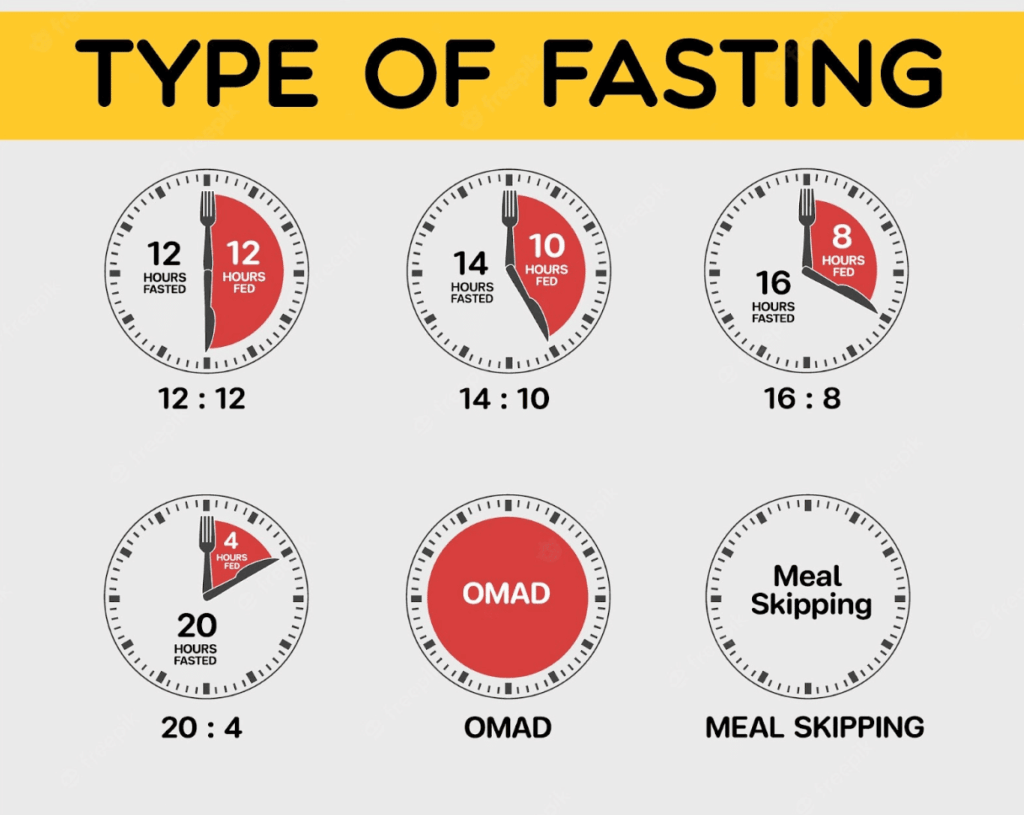
Okay, let’s start with the basics. Fasting is just not eating for a certain amount of time. That’s it! You’re not starving yourself or doing anything crazy. You already do a mini version of this every night when you sleep – you eat dinner, sleep for 8-10 hours, then eat breakfast. That’s already like a 12-hour fast!
The thing is, fasting 101 isn’t about never eating again (thank goodness!). It’s about being smart with when you eat. Think of it like giving your body a break from constantly working to digest food.
My neighbor Bob explained it perfectly: “It’s like letting your car engine cool down between long trips instead of running it 24/7.”
The Different Types of Fasting (No Big Words, I Promise!)
There are several ways people do fasting, and I’ll explain each one like I’m talking to my mom (who hates complicated stuff):
The 16:8 Method (The Most Popular One)
This means you fast for 16 hours and eat during an 8-hour window. Most people love this because it’s pretty easy to fit into real life.
Real Example: My coworker Lisa eats her first meal at noon and finishes eating by 8 PM. That’s it! She sleeps through most of the fasting time and just skips breakfast. She’s been doing this for a year and says it feels totally normal now.
The 5:2 Method
You eat normally 5 days a week, then eat very little (about 500-600 calories) on 2 days.
Real Example: My cousin Mike does this. He fasts on Tuesdays and Thursdays – just has a small salad and some soup those days. The other five days, he eats whatever he wants (within reason, of course). “The hardest part is picking which days to fast,” he told me.
The 12-Hour Fast (Perfect for Beginners)
This is super gentle – just 12 hours without eating. Great if you’re just starting out.
Real Example: My mom started here. She finishes dinner by 7 PM and doesn’t eat again until 7 AM. “I barely notice it,” she says. “Most of the time I’m sleeping anyway!”
The Eat-Stop-Eat Method
This means fasting for a full 24 hours once or twice a week.
Real Example: My friend Dave does this once a week. He eats dinner on Sunday, then doesn’t eat again until dinner on Monday. “The first time was tough, but now it’s just part of my routine,” he says.
How Does This Actually Work in Your Body?
Okay, here comes the science part, but I’ll keep it simple. When you eat, your body uses that food for energy. But when you haven’t eaten for a while (like 12+ hours), your body starts using stored fat for energy instead.
It’s like this: imagine your body has two fuel tanks – one for food you just ate, and one for stored energy (fat). When the first tank is empty, your body switches to the second tank.
What Happens When You Fast:
- Your insulin levels go down (insulin is what stores fat)
- Your body starts burning stored fat for energy
- Your growth hormone levels go up (helps keep muscle)
- Your cells start cleaning themselves up (like taking out the trash)
My doctor explained it to me like this: “Your body goes from ‘storage mode’ to ‘burning mode.’ It’s totally natural – humans have been doing this for thousands of years.”

The Good Stuff (Why People Love Fasting)
Let me share what actually happened when people I know tried fasting:
Weight Loss (The Big One)
Most people try fasting because they want to lose weight, and it often works. Not because of magic, but because when you eat less often, you usually eat less overall.
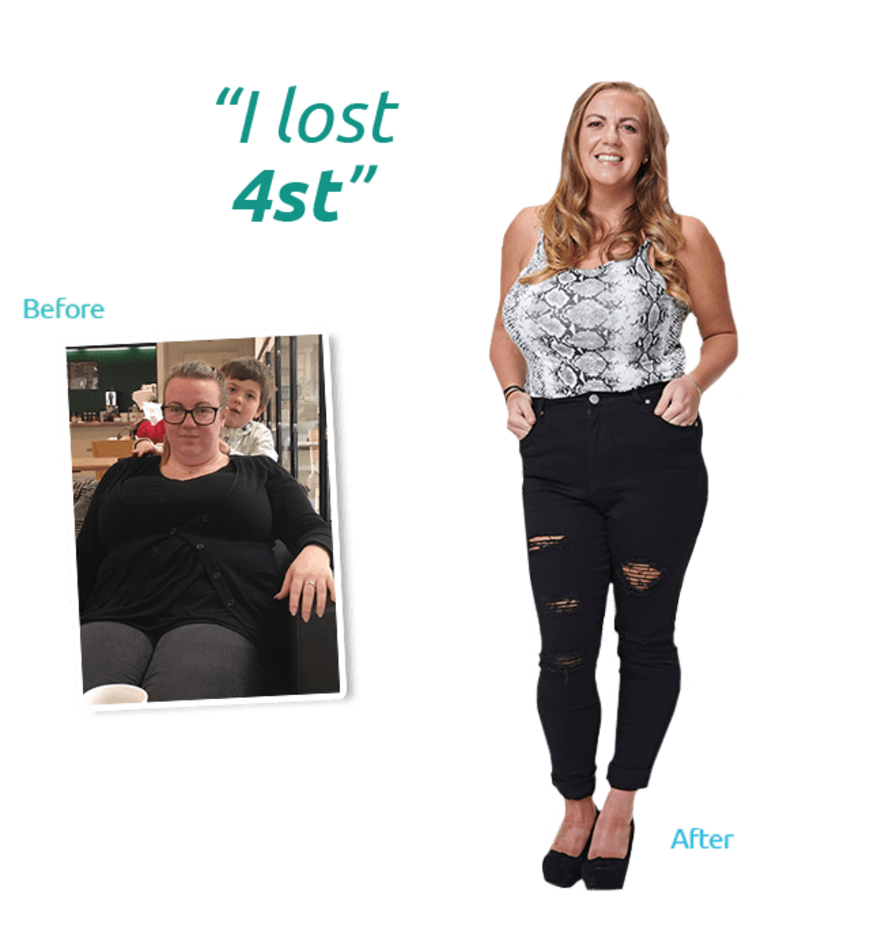
Sarah’s Story: She lost 18 pounds in four months doing 16:8. “I stopped snacking at night, which was my biggest problem. Now I save so much money not buying random snacks!”
Better Energy
This surprised me the most. After about two weeks of fasting, I had more steady energy throughout the day.
My Experience: I used to crash every afternoon around 3 PM. Now I feel steady energy all day. My friend Jake says the same thing – “I don’t get that tired feeling after lunch anymore.”
Simpler Life
When you’re not eating as often, you spend less time thinking about food, preparing it, and cleaning up after it.
Tom’s Story: “I used to spend my lunch break deciding what to eat, ordering, waiting, eating, then feeling sleepy. Now I just go for a walk or read. It’s actually nice.”
Better Sleep
A lot of people say they sleep better when they fast.
My Sister’s Experience: “I don’t go to bed feeling stuffed anymore. I sleep so much better now.”
The Not-So-Good Stuff (Let’s Be Honest)
Fasting isn’t all sunshine and rainbows. Here’s what people really experience:
You’ll Feel Hungry (At First)
For the first week or two, you’ll probably feel hungry at your usual meal times. This is totally normal – your body is just used to eating at certain times.
My First Week: I kept looking at the clock at 12 PM thinking “lunch time!” even though I wasn’t actually hungry. It took about 10 days for that to stop.
Some People Get Cranky
Low blood sugar can make you irritable, especially in the beginning.
Jake’s Warning: “Don’t try to have serious conversations with me during my first week of fasting. I was not pleasant to be around.”
Social Situations Can Be Tricky
When everyone’s having breakfast and you’re just drinking coffee, it can feel awkward.
Lisa’s Tip: “I just tell people I’m not hungry in the morning. Most people accept that and move on.”
Who Should NOT Try Fasting
This is super important. Fasting isn’t safe for everyone:
- If you’re pregnant or breastfeeding
- If you have diabetes (unless your doctor says it’s okay)
- If you’re under 18 or over 75
- If you take medications that need food
- If you have a history of eating disorders
- If you have heart problems or low blood pressure
Serious Talk: My friend Anna has diabetes and wanted to try fasting. Her doctor helped her do it safely by adjusting her medication timing. Without that medical guidance, it could have been dangerous.

How to Start Safely (My Step-by-Step Plan)
Based on my experience and mistakes, here’s how I’d do it if I were starting over:
Week 1: Start Small
- Try a 12-hour fast (eat dinner at 7 PM, breakfast at 7 AM)
- Just get used to the idea
- Drink lots of water
Week 2: Extend Slowly
- Try 13-14 hours if 12 feels easy
- Pay attention to how you feel
- Don’t push if you feel awful
Week 3: Find Your Sweet Spot
- Try 14-16 hours if you’re feeling good
- Pick times that work with your life
- Be flexible – some days will be harder than others
Week 4: Make It Routine
- Stick with whatever felt best from week 3
- Start planning meals for your eating window
- Celebrate – you’ve made it a month!
My Biggest Tip: Don’t try to be perfect. I messed up lots of times in my first month, and that’s totally okay.
What You Can Drink While Fasting
This was one of my first questions too! Here’s what you can have:
The Yes List:
- Water (obviously)
- Black coffee
- Plain tea (no milk or sugar)
- Sparkling water
- Herbal tea
The No List:
- Anything with calories
- Milk or cream in coffee
- Juice
- Soda (even diet can be tricky for some people)
- Sports drinks
My Daily Routine:
- Morning: Big glass of water, then black coffee
- Afternoon: Herbal tea (chamomile is my favorite)
- Evening: Sparkling water with lemon
Common Mistakes I Made (So You Don’t Have To)
Mistake #1: Starting Too Aggressive
I tried to go straight to 20-hour fasts. Bad idea! I felt terrible and gave up after three days.
Do This Instead: Start with 12 hours and work your way up slowly.
Mistake #2: Not Drinking Enough Water
I got horrible headaches my first week because I forgot to drink extra water when fasting.
Do This Instead: Drink water first thing in the morning and keep a bottle with you.
Mistake #3: Eating Junk During My Eating Window
I thought “I’m fasting, so I can eat whatever I want when I’m not fasting.” Wrong! I felt awful eating donuts for lunch.
Do This Instead: Focus on healthy, filling foods during your eating time.
Mistake #4: Not Telling Anyone
When I mysteriously stopped eating breakfast, my family thought I was sick or stressed.
Do This Instead: Tell the people you live with what you’re doing so they don’t worry.
Real Stories from Real People
Let me share what actually happened to people I know:
Sarah (Office Manager, Age 34):
“I started 16:8 because I wanted to lose the weight I gained during quarantine. First week was hard – I kept opening the fridge at breakfast time out of habit. But by week three, I stopped thinking about it. Lost 15 pounds in three months, and the best part is I sleep better and don’t get afternoon crashes anymore.
Mike (Dad of Two, Age 41):
“I do 5:2 because my schedule is unpredictable. Fasting days are usually Tuesdays and Thursdays. My wife thought I was crazy at first, but when she saw I had more energy and lost 20 pounds, she started doing it too. Now we’re fasting buddies.
Tom (Retired Teacher, Age 67):
“My doctor suggested trying 12-hour fasting to help with my blood sugar. I was nervous because I’d always eaten three meals a day. But it’s been six months now, and my blood sugar is the best it’s been in years. Plus I save money on groceries!
Anna (College Student, Age 22):
“I tried OMAD (one meal a day) because I saw it on social media. Terrible idea! I was grumpy, tired, and couldn’t focus on studying. Switched to 14:10 and it’s perfect. I have more time to study and don’t feel like garbage.
What About Exercise?
This is a great question. You can definitely exercise while fasting, but you might need to adjust.
What Works:
- Walking (my go-to)
- Light weights
- Yoga
- Easy bike rides
What’s Harder:
- Heavy lifting
- Running long distances
- High-intensity workouts
My Experience: I do my workouts right before I break my fast. That way, I can eat something afterward and don’t feel weak during exercise.
Tom’s Approach: He walks every morning during his fast and saves his gym workouts for after he’s eaten. “I learned the hard way that trying to lift heavy weights while fasting makes me dizzy.”
The Mental Side of Fasting
Nobody talks about this enough, but fasting is as much mental as physical. Here’s what I learned:
You’ll Think About Food More at First
For the first couple weeks, I thought about food constantly. “What time is it? Can I eat yet? What should I eat when I can eat?”
It Gets Better: By week three, I barely thought about it. Now it’s just normal.
You Learn the Difference Between Hunger and Habit
I realized I was eating breakfast every morning not because I was hungry, but because “that’s what you do at 8 AM.”
Real Hunger vs. Habit Hunger: Real hunger builds up slowly and can wait. Habit hunger is more like “Oh, it’s lunch time, I should eat.”
You Feel More in Control
After successfully fasting for a few weeks, I felt like I had more control over my eating choices in general.
What to Expect Month by Month
Month 1: The Learning Phase
- First week: Feels weird, lots of hunger at usual meal times
- Second week: Getting easier, still some challenging moments
- Third week: Starting to feel normal, energy improving
- Fourth week: Feeling proud, maybe seeing some changes
Month 2: The Adjustment Phase
- Fasting feels more natural
- Energy levels stable
- Maybe some weight loss
- Social situations getting easier
Month 3: The New Normal Phase
- Not thinking about it much anymore
- Clear benefits showing up
- Friends and family asking questions
- Feeling confident about the choice
Building Your Support System
Don’t do this alone! Here’s who helped me:
My Support Team:
- My wife (keeps me accountable and doesn’t eat breakfast in front of me)
- My sister (texts me encouragement on tough days)
- My coworker Dave (also fasts, so we can complain together)
- Online fasting groups (surprisingly helpful!)
Find Your People: Tell at least one person what you’re doing. Having support makes a huge difference.
When to Stop or Adjust
Listen to your body! Stop fasting if you experience:
- Severe headaches that don’t go away
- Dizziness or fainting
- Nausea or vomiting
- Extreme fatigue
- Trouble focusing
- Changes in your menstrual cycle (for women)
- Just feeling awful in general
My Rule: If fasting makes me feel worse instead of better, something needs to change.
The Bottom Line
Fasting 101 isn’t about suffering or proving how tough you are. It’s about finding an eating pattern that makes you feel good and fits your life.
What I Learned:
- Start small and build up slowly
- Listen to your body always
- Don’t be perfect – some days are harder than others
- It gets easier with time
- The benefits are real, but it’s not magic
- It’s okay to quit if it doesn’t work for you
Is Fasting Right for You?
Maybe! It worked great for me, my sister, and several friends. But my brother tried it and hated it, and that’s perfectly fine too. We’re all different
The most important thing is being safe about it. Talk to your doctor if you have any health conditions, start slow, and remember that you can always stop if it doesn’t feel right.
My Final Advice: Don’t overthink it. Try the simplest version (12-hour fast) for a week and see how you feel. If it’s good, try extending it a bit. If it’s not, that’s valuable information too.
Fasting taught me a lot about my relationship with food and helped me feel more in control of my health. But it’s just one tool in the toolbox – not the only way to be healthy.
Good luck if you decide to try it! Remember, every expert was once a beginner, and every journey starts with just one day.
